Duane Seppi
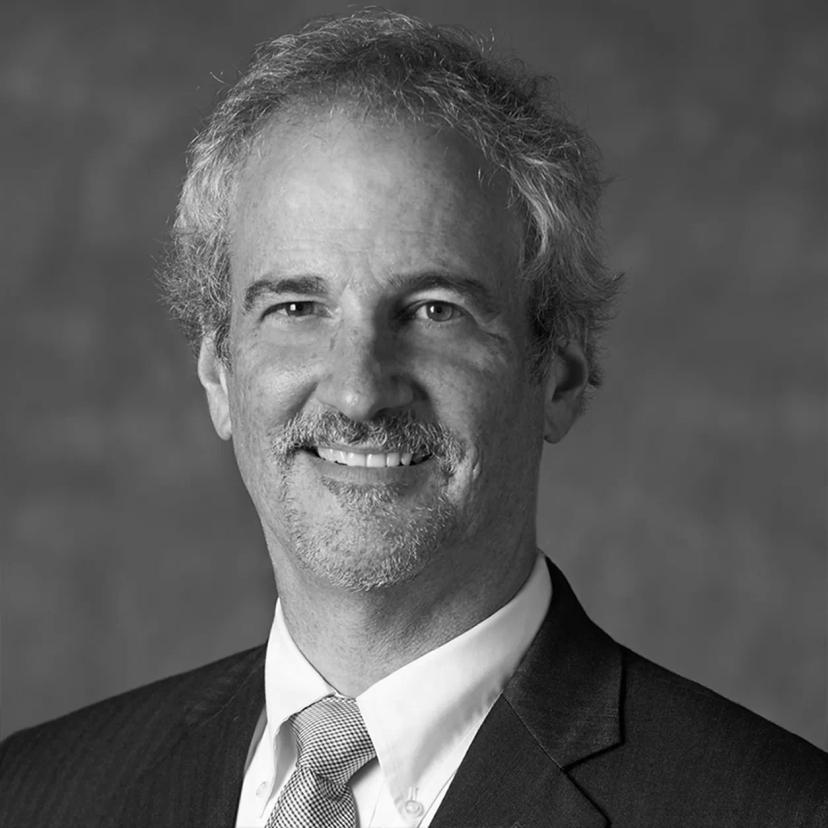
Duane Seppi appears on this site as co-author of the 2009 paper on the ostrich effect and of the Financial Attention paper on retirement account logins.
Who they are
The work of Duane Seppi reaches this site through the papers listed below. On this site the name is tied to The Ostrich Effect.
Key papers
Karlsson, N., Loewenstein, G., & Seppi, D. (2009). The ostrich effect: Selective attention to information. Journal of Risk and Uncertainty, 38(2), 95-115. What it reports: A model in which news has emotional impact predicts more monitoring after good news and avoidance after bad or ambiguous news. Swedish pension system logins (7 January 2002 to 13 October 2004; attention = lookups minus reallocations) and American fund client logins (2 January 2006 to 30 June 2008). Each one per cent rise in the recent average market return went with about 120 to 140 more daily lookups in Sweden (just over 1 per cent of the mean) and about 18,000 to 23,000 more logins in the US (about 5 to 6 per cent of the mean).
Sicherman, N., Loewenstein, G., Seppi, D. J., & Utkus, S. P. (2016). Financial attention. Review of Financial Studies, 29(4), 863-897. What it reports: Daily online login data from a large set of retirement accounts show selective attention to portfolio information, with attention varying by gender, age, wealth and holdings.
Key ideas
The Ostrich Effect: Checking less often when the news may be bad, and more often when it is likely to be good.
Sources
- Karlsson, N., Loewenstein, G., & Seppi, D. (2009). The ostrich effect: Selective attention to information. Journal of Risk and Uncertainty, 38(2), 95-115.
- Sicherman, N., Loewenstein, G., Seppi, D. J., & Utkus, S. P. (2016). Financial attention. Review of Financial Studies, 29(4), 863-897.
Articles that cite Duane Seppi
- The Ostrich Effect: Looking Away From Bad News
What login records from two countries show about checking an account after good and bad news, and why looking can change what the numbers mean.
Concepts on this site
- The Ostrich Effect
Checking less often when the news may be bad, and more often when it is likely to be good.