J. Ridley Stroop
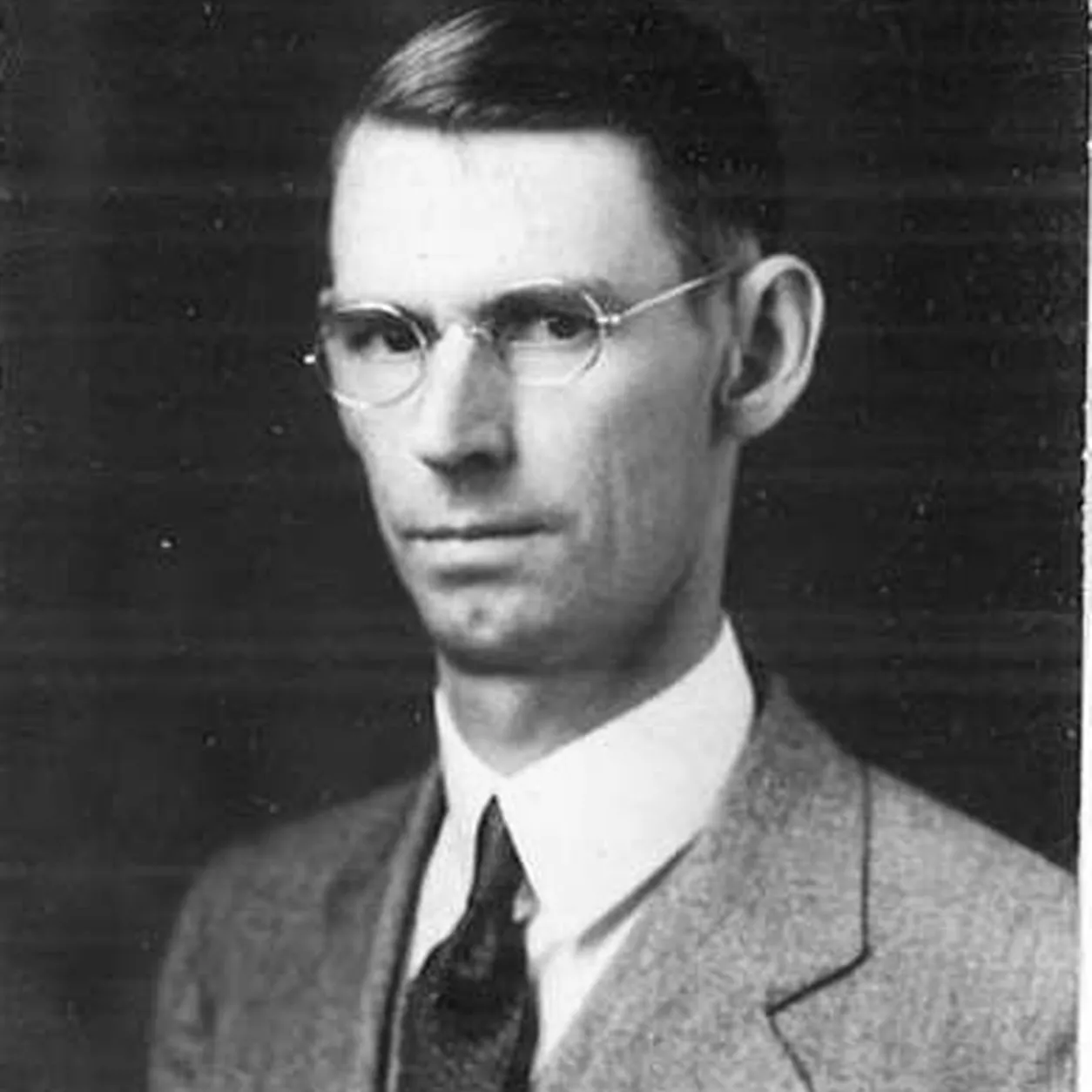
J. Ridley Stroop was an American psychologist. His 1935 paper on interference in serial verbal reactions reported the colour-word task that bears his name.
Who they are
The work of J. Ridley Stroop reached this site through the paper listed below. On this site the name is tied to The Stroop Effect.
Key papers
Stroop, J. R. (1935). Studies of interference in serial verbal reactions. Journal of Experimental Psychology, 18(6), 643-662. What it reports: Experiment 1: 70 undergraduates read lists of 100 colour words (red, blue, green, brown, purple) in conflicting ink and in black; conflicting ink added about 2.3 seconds, roughly 6 per cent, not reliable. Experiment 2: 100 students named the ink of 100 colour squares (about 63 seconds) and of 100 conflicting colour words (about 110 seconds), about 47 seconds or 74 per cent longer. Experiment 3: 32 students practised naming conflicting inks for eight days; times fell by about a third and interference remained.
Key ideas
The Stroop Effect: Slower naming of an ink colour when the word itself names a different colour.
Sources
- Stroop, J. R. (1935). Studies of interference in serial verbal reactions. Journal of Experimental Psychology, 18(6), 643-662.
Studies on this site by Stroop
- Studies of interference in serial verbal reactions
Stroop (1935) · Journal of Experimental Psychology
Articles that cite J. Ridley Stroop
- The Stroop Effect: When Reading Gets in the Way
What the 1935 experiments measured, why the written word wins over the colour of the ink, and what later studies of training and reliability found.
Concepts on this site
- The Stroop Effect
Slower naming of an ink colour when the word itself names a different colour.