John Skowronski
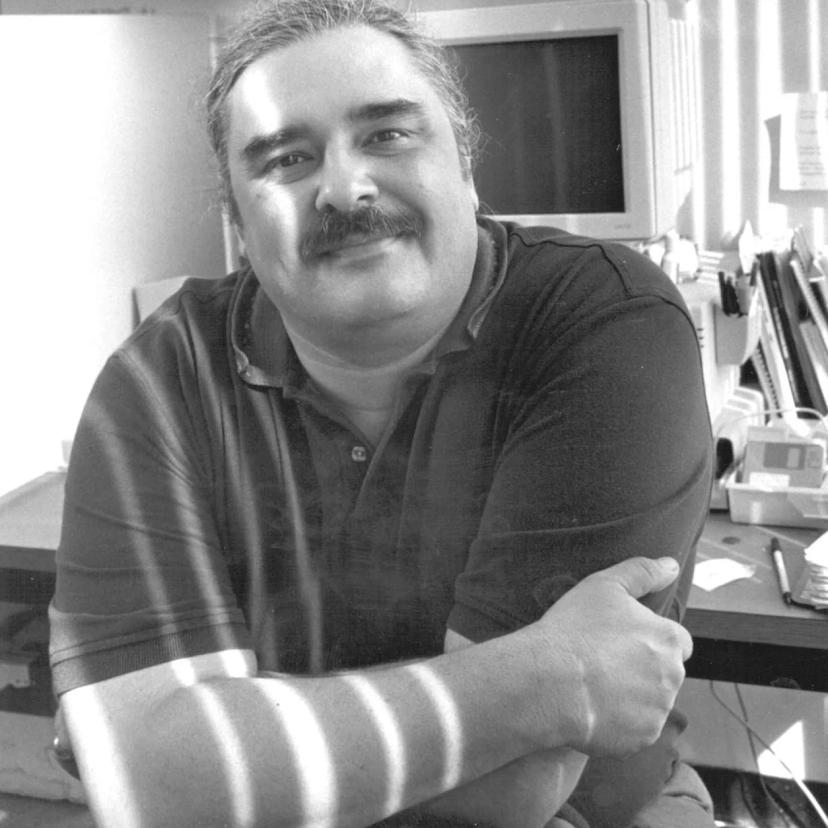
John Skowronski is a researcher and first author of the 2004 Self and Identity paper on social disclosure and autobiographical memories, and co-author of the 2003, 2006 and 2009 papers on the fading affect bias.
Who they are
The work of John Skowronski reaches this site through the papers listed below. On this site the name is tied to Fading Affect Bias, Event Rehearsal.
Key papers
Walker, W. R., Skowronski, J. J., & Thompson, C. P. (2003). Life is pleasant, and memory helps to keep it that way! Review of General Psychology, 7(2), 203-210. What it reports: Review arguing that recollections of life are positively biased partly because people perceive more pleasant than unpleasant events and partly because affect tied to unpleasant events fades faster, making autobiographical memory an important exception to the claim that bad is stronger than good.
Skowronski, J. J., Gibbons, J. A., Vogl, R. J., & Walker, W. R. (2004). The effect of social disclosure on the intensity of affect provoked by autobiographical memories. Self and Identity, 3(4), 285-309. What it reports: Participants described their own emotions in their own words and the fading affect bias still appeared, without sign of distorted memory of the original feelings; it reflected current affective responses. Memories disclosed frequently showed a stronger bias than rarely disclosed ones.
Ritchie, T. D., Skowronski, J. J., Wood, S. E., Walker, W. R., Vogl, R. J., & Gibbons, J. A. (2006). Event self-importance, event rehearsal, and the fading affect bias in autobiographical memory. Self and Identity, 5(2), 172-195. What it reports: The bias was small when events seemed self-important, psychologically open or self-caused, and large when events were atypical of the person's life. It was especially strong for rehearsed events, particularly rehearsal by telling others or privately savouring or solving the event, and absent for several other forms of private rehearsal.
Walker, W. R., & Skowronski, J. J. (2009). The fading affect bias: But what the hell is it for? Applied Cognitive Psychology, 23(8), 1122-1136. What it reports: Review: the bias has been replicated across many methods and populations and is tied to cognitive and social processes; the authors propose one function may be to motivate people toward action so they can better handle life's challenges.
Key ideas
Fading Affect Bias: The emotional sting of bad memories fades faster than the glow of good ones.
Event Rehearsal: Returning to an event by telling others or thinking it over, which goes with a stronger fading affect bias.
Sources
- Walker, W. R., Skowronski, J. J., & Thompson, C. P. (2003). Life is pleasant, and memory helps to keep it that way! Review of General Psychology, 7(2), 203-210.
- Skowronski, J. J., Gibbons, J. A., Vogl, R. J., & Walker, W. R. (2004). The effect of social disclosure on the intensity of affect provoked by autobiographical memories. Self and Identity, 3(4), 285-309.
- Ritchie, T. D., Skowronski, J. J., Wood, S. E., Walker, W. R., Vogl, R. J., & Gibbons, J. A. (2006). Event self-importance, event rehearsal, and the fading affect bias in autobiographical memory. Self and Identity, 5(2), 172-195.
- Walker, W. R., & Skowronski, J. J. (2009). The fading affect bias: But what the hell is it for? Applied Cognitive Psychology, 23(8), 1122-1136.
Studies on this site by Skowronski
- The effect of social disclosure on the intensity of affect provoked by autobiographical memories
Skowronski (2004) · Self and Identity
Articles that cite John Skowronski
- Time Heals: Why Bad Memories Fade Faster
Two ratings of the same event show that the sting of an unpleasant memory shrinks faster than the glow of a pleasant one. What drives it, and how far it travels.
Concepts on this site
- Event Rehearsal
Returning to an event by telling others or thinking it over, which goes with a stronger fading affect bias.
- Fading Affect Bias
The emotional sting of bad memories fades faster than the glow of good ones.