Joseph Cesario
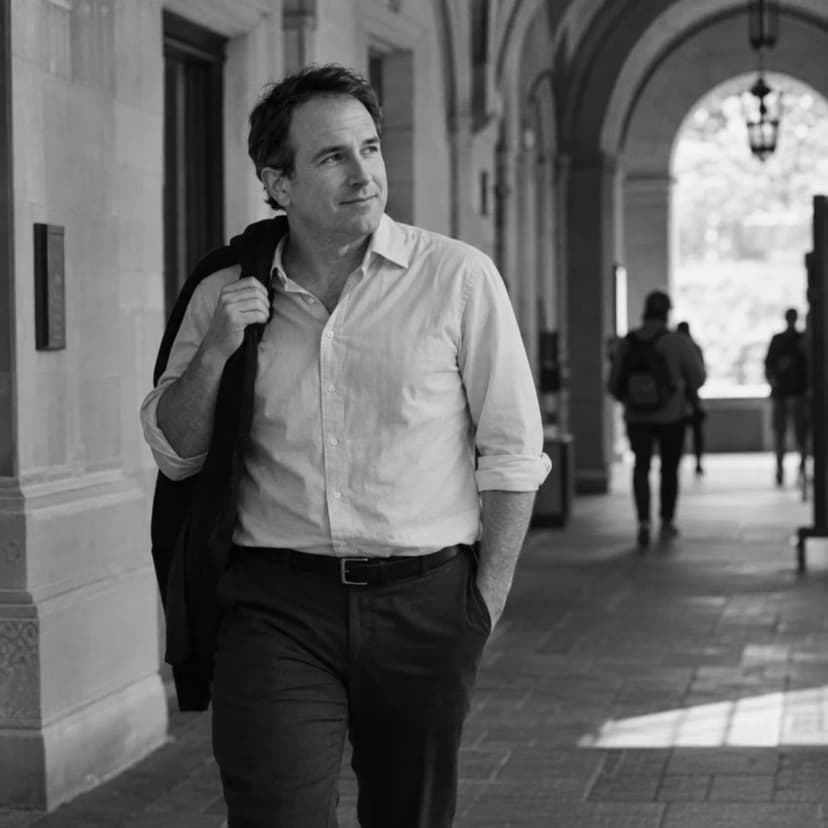
Joseph Cesario is a social psychologist at Michigan State University and the author of the most serious statement of the case for the defence in the priming replication dispute. His 2014 paper argues that failed replications of priming effects are uninformative while the field has no theory specifying when the effects should appear. It is routinely caricatured as a hidden-moderators excuse, and it concedes considerably more than his own side usually quotes.
Who they are
The argument runs like this. If primes work by preparing a response suited to the situation, then the same prime should produce different effects in different circumstances. Sensitivity to context is therefore a prediction of the theory rather than an embarrassment to it, and a study that fails to reproduce an effect in a different population, with a different procedure, may have found a real difference in conditions rather than an absent effect.
That is where the unfalsifiable version of the argument would stop, and Cesario does not stop there. He accepts that the field has no theories precise enough to say in advance which contexts matter, and that without them a failed replication cannot be distinguished from a legitimate difference in conditions. He also states, directly, that priming researchers have been deficient in directly replicating their own effects, and that this failure is what produced the confusion. His claim is that failures are uninformative at present, and the reason they are uninformative is a gap his own side left open.
This site takes the argument seriously and also records what happened next, which is the part that decides how much weight it can carry. The moderators proposed after the failures are testable. Any of them could have been run as a factor in a properly powered study, which would have converted the objection into a finding and the finding into the theory Cesario says the field lacks. That work has not been done. An explanation offered after a failure and never put at risk is a description of what a defence would look like rather than a defence.
None of that is an accusation against anyone. It is the shape the disagreement has, and both halves of it belong on the page.
Key papers
Cesario, J. (2014). "Priming, replication, and the hardest science." Perspectives on Psychological Science, 9(1), 40-48. Sole author. Argues that variation in priming effects by population and procedure is predicted by the theory rather than evidence against it, and that failed replications are uninformative in the absence of a theory of the moderators. Concedes in the same paper that no such theory exists and that priming researchers have been deficient in replicating their own effects. This site cites it as the strongest statement of the case for the defence.
Key ideas
Context sensitivity as a prediction. If a prime prepares a situationally appropriate response, the same prime should not do the same thing everywhere.
The concession that makes the paper serious. No theory currently specifies which contexts matter, so the defence is an account of what is missing rather than an answer.
His own side's share of the problem, named by him: priming researchers did not directly replicate their own effects.
Underdetermination is the general shape. Where two accounts predict the same data, the data cannot choose between them, and the remedy is a study designed to separate them rather than an argument about who has the burden.
A proposed moderator that is never tested does not accumulate evidential weight by being repeated.
Sources
- Cesario, J. (2014). "Priming, replication, and the hardest science." Perspectives on Psychological Science, 9(1), 40-48.
- Vault note: [[Joseph Cesario]], recorded as deliberately thin, with nothing asserted beyond what the cited work supports.