Kent Monroe
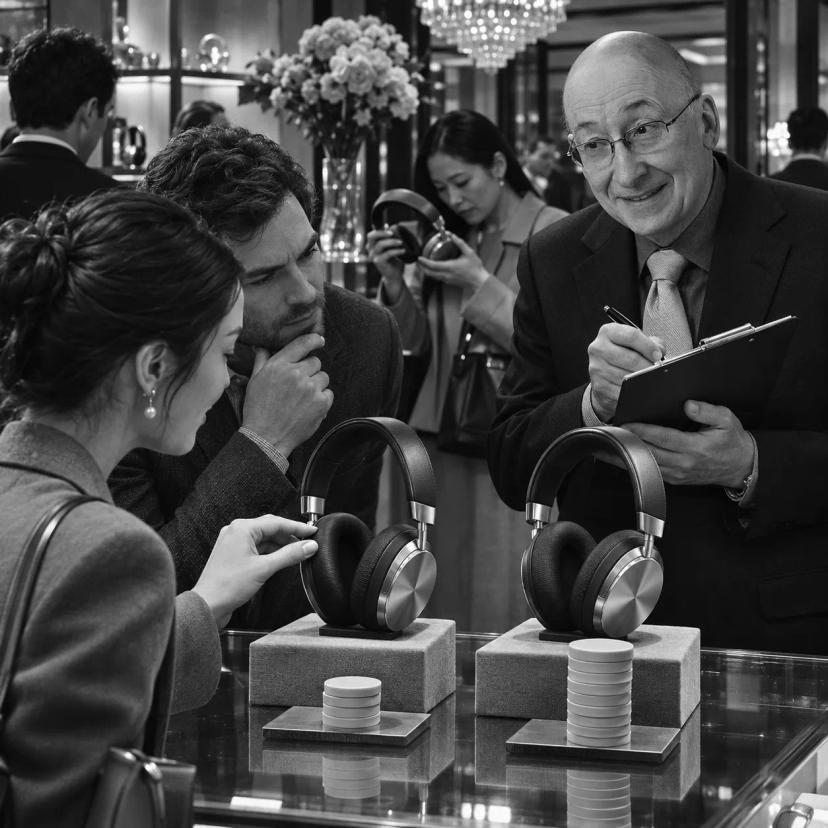
Pricing researcher whose 1989 review with Akshay Rao pooled 36 studies on whether a higher price makes buyers expect higher quality.
Who they are
Kent B. Monroe is cited on this site for one paper, written with Akshay R. Rao. It is the review the pricing article relies on for the link between price and perceived quality.
Key papers
The effect of price, brand name, and store name on buyers' perceptions of product quality: An integrative review (1989). Rao and Monroe pooled 36 studies of price, brand name and store name as cues to perceived product quality. The effect of price on perceived quality is positive and, by the authors' description, moderately large and statistically significant. The paper appeared in the Journal of Marketing Research, volume 26, issue 3, pages 351 to 357.
Key ideas
The review supports the rule of thumb that a dearer product is a better one. Buyers use price as a stand-in for quality when they cannot judge quality directly, and brand and store names act in the same way. The effect is moderate, not absolute: price is one cue among several. For a seller, the practical consequence is that a low price can signal low quality, so a discount carries a cost that does not show up in the margin.
Sources
- Rao, A. R., & Monroe, K. B. (1989). The effect of price, brand name, and store name on buyers' perceptions of product quality: An integrative review. Journal of Marketing Research, 26(3), 351-357. doi:10.2307/3172907
Studies on this site by Monroe
- Remembering versus knowing: Issues in buyers' processing of price information
Monroe (1999) · Journal of the Academy of Marketing Science
Articles that cite Kent Monroe
- Why Flash Sales Feel Hard to Resist
A flash sale gives a lower price a short window. The research finds that the window changes the rule people use to decide, and that excitement can do part of the persuading.
- Why We Forget What We Just Paid
A price can be read, judged fair and still not be recalled. Studies of shoppers separate recall, recognition and confidence, and each gives a different answer to whether a price was remembered.
- When the Price Moves While You Watch
What happens to a buyer's sense of fairness when the price of the same thing moves, and what the research says makes a changing price easier to accept.
- Why Bundles Feel Like a Better Deal
How one price and one saving change what a buyer sees, where a bundle discount does most, and what a single payment does to use afterwards.
- Why "20% Off" and "Save $20" Don't Feel the Same
What research says about stating a saving as a percentage or as an amount, where each wins, and what the wording does after the sale ends.
- Why We Pay Airport Prices
How a captive setting, a departure time and a trip budget change what a price means, and why travellers do not all react alike.
- Psychology of Pricing: Why $9.99 Still Works
The nine ending is the best known trick in pricing and one of the smallest. Six levers, one book and seven studies show what else a price does to the person reading it.
Concepts on this site
- Price-Quality Inference
Price-quality inference is the rule of thumb that a dearer thing is a better thing. It is information about the object, not about you, which is why it works alone in a locked room and the Veblen…
- Time Pressure and Search
Buyers with less time search less, use less information and lean towards familiar options.