Lennart Sjöberg
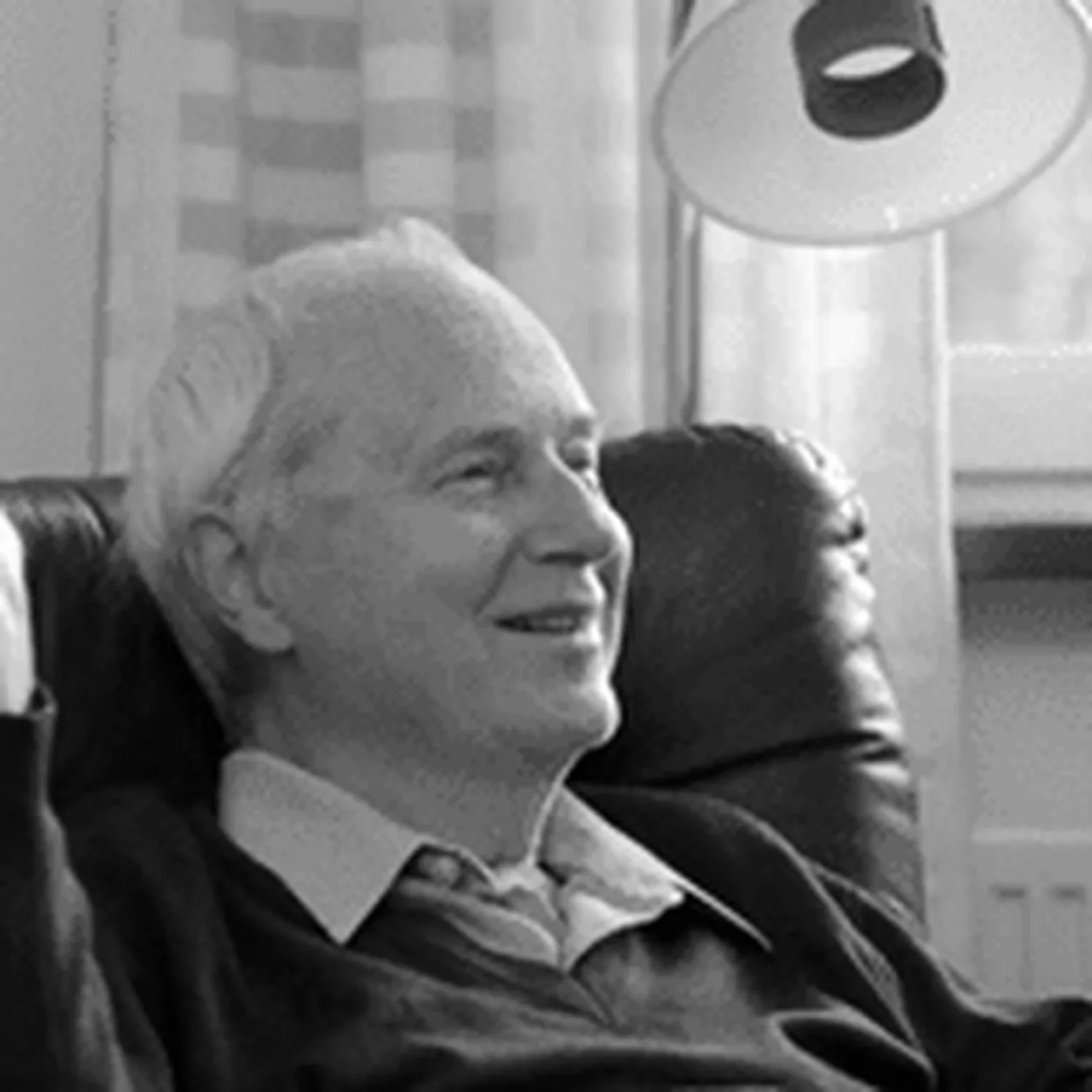
Lennart Sjöberg is a researcher in risk perception and the author of the 2000 review of factors in risk perception.
Who they are
The work of Lennart Sjöberg reaches this site through the paper listed below. On this site the name is tied to Dread Risk, Psychometric Paradigm.
Key papers
Sjöberg, L. (2000). Factors in risk perception. Risk Analysis, 20(1), 1-12. What it reports: Technical risk estimates explain perceived risk well in some cases but not in many important applications. Heuristics and biases, mainly availability, account for only a small part; media content has not been clearly linked to risk perception. The psychometric model is probably the leading approach but explains only about 20 per cent of the variance in raw data; adding an unnatural-risk factor noticeably improves it. A new model using attitude, risk sensitivity and specific fear explains well over 30 to 40 per cent of the variance.
Key ideas
Dread Risk: Fear of rare events that kill many people at once. Gigerenzer uses it to explain the rise in road deaths after 11 September 2001, an account that overlaps with availability but is distinct from it.
Psychometric Paradigm: An approach to risk perception in which people rate many hazards on many qualities and the ratings are reduced to a few underlying factors.
Sources
- Sjöberg, L. (2000). Factors in risk perception. Risk Analysis, 20(1), 1-12.
Studies on this site by Sjöberg
- Factors in risk perception
Sjöberg (2000)
Articles that cite Lennart Sjöberg
- Why We Fear Flying but Not Driving
Analysts rank hazards by annual fatalities. Everyone else ranks them by how they feel to live with, and control and choice do much of the work.
Concepts on this site
- Dread Risk
Dread risk is the fear attached to rare events that kill many people at once, as opposed to the same number of deaths spread thinly over time and place. Gerd Gigerenzer uses the idea to explain why…
- Psychometric Paradigm
An approach to risk perception in which people rate many hazards on many qualities and the ratings are reduced to a few underlying factors.