Martin Seligman
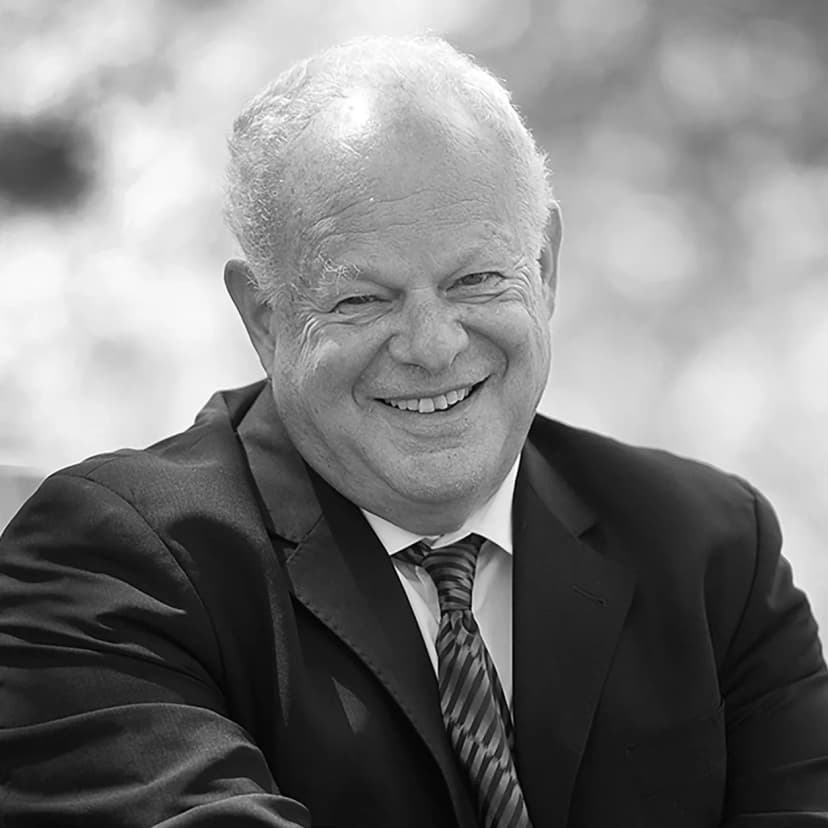
Martin Seligman is an American psychologist at the University of Pennsylvania, known first for learned helplessness and later as the founder figure of positive psychology, which he launched during his term as president of the American Psychological Association in 1998. With Christopher Peterson he built the VIA classification of character strengths and virtues, the movement's deliberate counterpart to the DSM. This site holds both sides: the reorientation toward what goes right was a legitimate correction to a lopsided field, and the specific taxonomies and intervention claims have to be checked one at a time.
Who they are
Seligman is at the University of Pennsylvania, where the Positive Psychology Center is based. That detail is worth stating because at least one trade book in this vault places it at Pennsylvania State University and then uses a long list of claims on the strength of that attribution.
His first body of work is learned helplessness, the finding that an animal or a person exposed to an aversive outcome they cannot control may stop attempting to escape it even once escape becomes possible. It was influential in clinical psychology and became one of the standard models of depression. The important development is the reformulation: the original account was revised to give a central role to how a person explains the uncontrollable event to themselves, and it is the explanatory style, rather than the helplessness alone, that does the later predictive work.
His second is positive psychology, launched from the APA presidency in 1998 on the argument that the discipline had spent half a century studying what goes wrong and almost no time studying what goes right. With Christopher Peterson he produced Character Strengths and Virtues in 2004, which classifies twenty-four strengths under six virtues and was built deliberately as a mirror of the diagnostic manual. He is also a prolific trade author, and this is where the caution belongs.
Both sides, kept. The reorientation was worth making and the strengths vocabulary gave researchers a common language they had not had. Against that, the movement's headline structures have a poor replication record, the six-virtue architecture among them, and its commercial arm ran a long way ahead of its evidence. What You Can Change and What You Can't is a trade book presented as a settled review: several of its ten facts about change are dated or disputed, and the changeability estimates for individual disorders have moved considerably since. Nothing quantitative from either of those sources is usable as printed, and anything drawn from them has to be traced to the primary work first.
One further thing belongs on this page because it is a reasoning failure rather than a disagreement. A book in this vault pre-attributes dissent from Seligman's list to people whose personal interests and philosophy are challenged. That sentence does the work of an argument without being one, telling a reader in advance that objection is motivated rather than evidential, which discounts any objection before it is heard. The position here is the opposite: check the taxonomies and the intervention claims one at a time, which is exactly what that phrasing is designed to stop a reader doing.
Key papers
Peterson, C., & Seligman, M. E. P. (2004). Character Strengths and Virtues: A Handbook and Classification. The VIA classification, twenty-four strengths under six virtues, built as a counterpart to the DSM. Christopher Peterson is first author.
Seligman, M. E. P. (2007). What You Can Change and What You Can't. A trade review of how changeable sixteen disorders are, yielding a list of ten facts about change. Presented as settled; several entries are dated or disputed and the estimates have moved since. Nothing quantitative from it is carried here.
He has published extensively on learned helplessness from the late 1960s onward, and on its reformulation around explanatory style. The vault does not record the primary citations for that work, so none is supplied here, and anything drawn from it should be traced to the original papers rather than to this page.
Key ideas
Learned helplessness, and then the reformulation. An organism that cannot control an aversive outcome may stop trying to escape it. The revised account gives the central role to how the person explains the event, and the explanatory style is what carries the later predictions.
Positive psychology as a corrective. The argument that a field which studies only pathology will produce an incomplete account of people. That argument was and is a fair one.
The VIA classification. Twenty-four strengths under six virtues, deliberately mirroring the diagnostic manual. A useful common vocabulary whose architecture has a poor replication record.
Check the claims one at a time. The reorientation and the specific taxonomies are separable, and this site accepts the first while treating the second as open.
Pre-attributed motive is not an argument. Telling readers in advance that disagreement is self-interested removes the evidence question, and it is the worst thing done to Seligman's work in the sources this vault holds.
Nothing quantitative from the trade books is usable as printed. Trace to the primary work.
Sources
- Peterson, C., & Seligman, M. E. P. (2004). Character Strengths and Virtues: A Handbook and Classification.
- Seligman, M. E. P. (2007). What You Can Change and What You Can't.
- Positive Psychology Center, University of Pennsylvania. Affiliation, recorded here because a secondary source in this vault gives it incorrectly as Pennsylvania State University.
- American Psychological Association. The 1998 presidency from which positive psychology was launched.
- Vault note: [[Martin Seligman]], which records the both-sides verdict carried above.