Rachel Manning
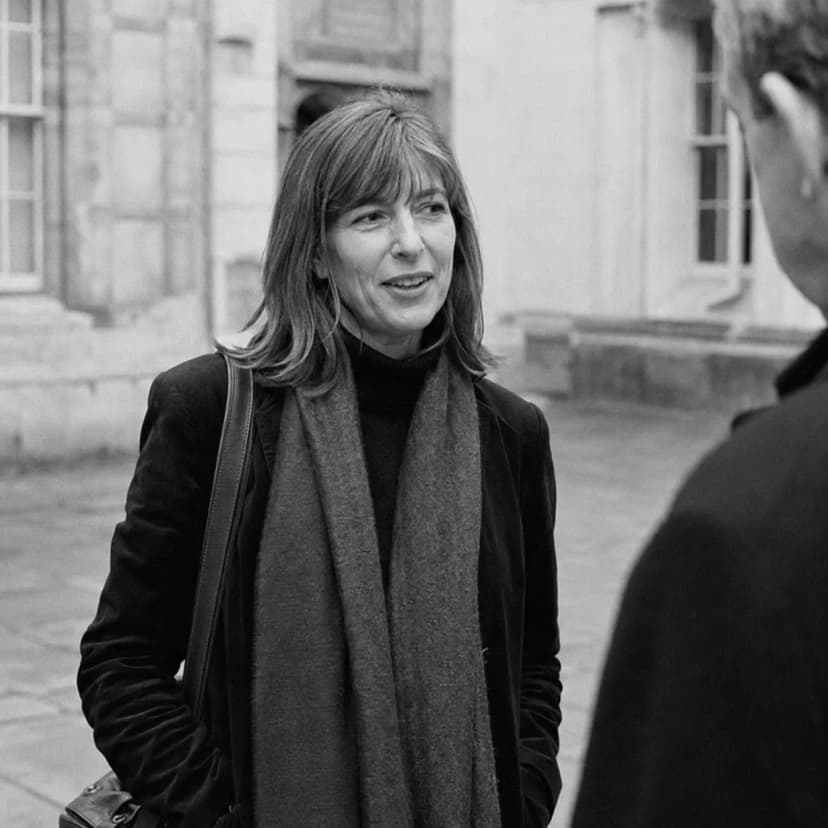
Rachel Manning is a psychologist working on helping behaviour and the first author of the 2007 paper in American Psychologist that took the Kitty Genovese story back to the trial record, the police files and the press reports. It found no evidence for 38 witnesses, none that witnesses observed the murder, and none that they did nothing. The paper is often cited under Mark Levine's name, which is the better known of the three. This site credits her first, because she is first author.
Who they are
Manning's contribution to this site is a single piece of archival work, and it is one of the most consequential corrections in the vault.
For forty years the standard illustration of the bystander effect was a murder in Queens in 1964. The story, as textbooks carried it, was that 38 neighbours watched Kitty Genovese being killed and that not one of them did anything. Working with Mark Levine and Alan Collins, Manning went back to the documentary record: the trial transcript, the police files and the contemporary press coverage. Three claims had been doing the work, and the record supports none of them. The figure of 38 appears nowhere in the police records. The fatal second attack took place in a vestibule that almost nobody could see into. At least two neighbours telephoned the police, one man shouted from a window and drove the attacker off, which is the reason there was a second attack at all, and a friend came down and held her while she died.
The paper is careful about what it is and is not claiming, and that care is why it is useful. It does not touch Darley and Latané's experiments. The laboratory effect they reported is real and well replicated: adding bystanders lowers the probability that any given individual acts. What Manning and her colleagues showed is that the story used to illustrate it was assembled by a newspaper rather than found in the evidence. The experiment was sound while its illustration was false, and separating those two things is the whole contribution.
That separation is also what makes the later field evidence readable. When Richard Philpot and colleagues went to CCTV footage of real conflicts in 2020 and found intervention in about nine out of ten, the result was surprising only against the parable, not against the experiments.
Key papers
Manning, R., Levine, M., & Collins, A. (2007). "The Kitty Genovese Murder and the Social Psychology of Helping: The Parable of the 38 Witnesses." American Psychologist, 62(6), 555-562. The reconstruction from the trial record, police files and press reports. No evidence for 38 witnesses, none that witnesses observed the murder, and none that they remained inactive. Manning is first author, and this page follows the paper rather than the citation habit.
Her Google Scholar profile is filed under no institution, and the vault records no other paper of hers that this site cites. The section is short because the record is, not because the work is small.
Key ideas
Go to the archive. The correction did not come from a new experiment. It came from reading the documents that had been available the whole time.
The three claims fail separately, and all three fail. Not 38, not watching, not inactive.
The finding survives the parable. Diffusion of responsibility is a real laboratory effect, and the paper leaves it standing. What it removes is the illustration, which is what most readers actually carry away.
Credit the first author. The 2007 paper travels under the best-known of its three names. That habit is the same error, in miniature, that this site spends a good deal of time correcting elsewhere.
Sources
- Manning, R., Levine, M., & Collins, A. (2007). "The Kitty Genovese Murder and the Social Psychology of Helping: The Parable of the 38 Witnesses." American Psychologist, 62(6), 555-562.
- Darley, J. M., & Latané, B. (1968). Cited here for the effect the 2007 paper deliberately leaves intact.
- Philpot, R., Liebst, L. S., Levine, M., Bernasco, W., & Lindegaard, M. R. (2020). "Would I Be Helped? Cross-National CCTV Footage Shows That Intervention Is the Norm in Public Conflicts." American Psychologist. The field evidence that follows from clearing the parable away.
- Vault note: [[Rachel Manning]], which records the standing instruction to credit her first.