Robert K. Merton
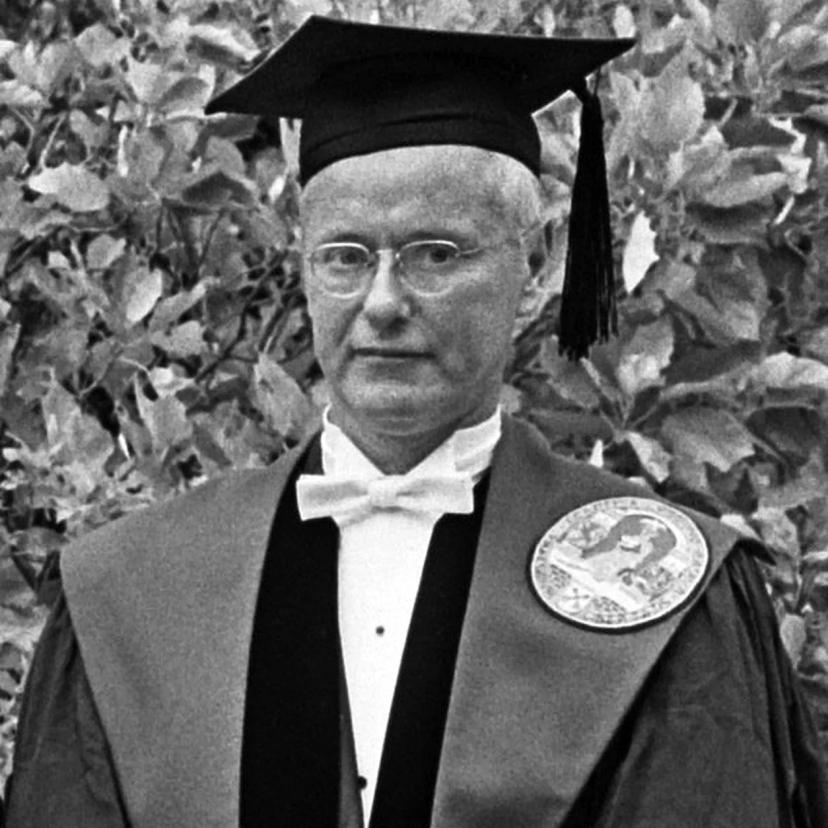
Robert K. Merton was an American sociologist who named the Matthew effect in a 1968 paper in Science.
Who they are
The work of Robert K. Merton reached this site through the paper listed below. On this site the name is tied to Matthew Effect in Science, Cumulative Advantage.
Key papers
Merton, R. K. (1968). The Matthew effect in science. Science, 159(3810), 56-63. What it reports: Treats credit in science as a question of communication as well as reward. The effect can raise the visibility of contributions by established scientists and lower that of lesser-known authors; Merton links it to multiple discoveries and to the focusing role of eminent scientists, and suggests a wider version in selection processes that concentrate resources and talent.
Key ideas
Matthew Effect in Science: Merton's name for the pattern in which credit and visibility flow toward scientists who are already well known.
Cumulative Advantage: early success is visible, which produces more success, so accidental leads compound
Sources
- Merton, R. K. (1968). The Matthew effect in science. Science, 159(3810), 56-63.
Studies on this site by Merton
- The Matthew effect in science
Merton (1968) · Science
Articles that cite Robert K. Merton
- What is the Matthew effect?
How a 1968 paper on credit in science gave a name to cumulative advantage, and what studies of grants, prizes, markets and vocabulary found since.
Concepts on this site
- Cumulative Advantage
Early success is visible, and visible success produces more success. Where people can see what others chose, a small accidental lead compounds, so the gap between hits and the rest widens and which…
- Matthew Effect in Science
Merton's name for the pattern in which credit and visibility flow toward scientists who are already well known.