Aaron Ahuvia
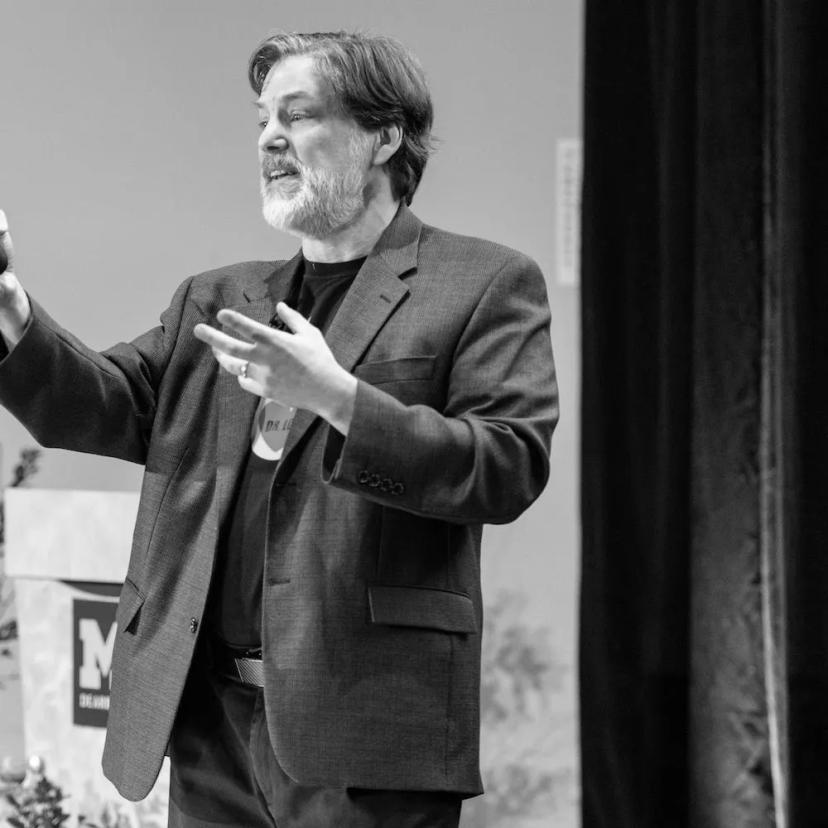
Aaron Ahuvia is the author of the 2005 Journal of Consumer Research paper Beyond the Extended Self: Loved Objects and Consumers' Identity Narratives. The paper is an interview study of the possessions and activities people love and of how those attachments relate to a consistent sense of self.
Who they are
Ahuvia is a consumer researcher. The paper appeared in volume 32, issue 1 of the Journal of Consumer Research, in June 2005.
Key papers
Beyond the Extended Self (Journal of Consumer Research, 2005, 32(1), 171-184). Based on interviews, the paper identifies three ways in which consumers build a coherent story about themselves: keeping identities separate, making trade-offs between them and blending them together. It discusses Russell Belk's claims about possessions and the extended self, and it raises the question whether the distinction between a core self and an extended self is a clear one. It also explores how loved objects and activities shape social relationships and consumer well-being.
Key ideas
Loved objects and activities help people maintain a consistent sense of self when social pressures pull identity in several directions. The idea connects to the extended self concept developed by Belk in 1988.
Sources
- Ahuvia, A. C. (2005). Beyond the extended self: Loved objects and consumers' identity narratives. Journal of Consumer Research, 32(1), 171-184. doi:10.1086/429607
- Belk, R. W. (1988). Possessions and the extended self. Journal of Consumer Research, 15(2), 139-168. doi:10.1086/209154
Studies on this site by Ahuvia
- Beyond the extended self: Loved objects and consumers' identity narratives
Ahuvia (2005) · Journal of Consumer Research
Articles that cite Aaron Ahuvia
- Why do people collect things?
Belk tied possessions to identity, and a 2025 study tied collecting to the desire for control. Pine and Gilmore add the keepsake that holds an occasion.
Concepts on this site
- Extended Self
The extended self is Russell Belk's idea, published in 1988, that possessions are a major part of how people form and express their identities.