Elizabeth Hirschman
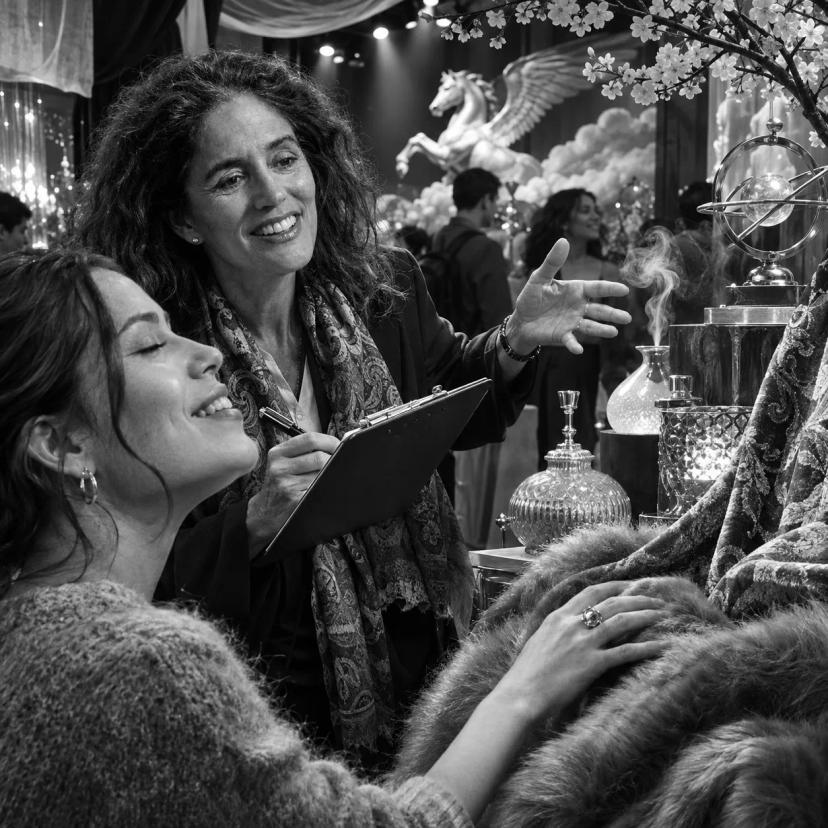
Elizabeth Hirschman is a marketing scholar and co-author, with Morris Holbrook, of the 1982 papers that introduced the experiential view of consumption and the study of hedonic consumption. Her wider work covers innovativeness, humanistic and interpretive research methods, and consumers' relationships with media.
Who they are
Hirschman is an American marketing academic. The author index lists more than two hundred works under her name, in consumer behaviour, market dynamics and consumption. Her research is often credited with opening consumer research to methods from the humanities, and she argued for these methods in print.
On this site she appears for the 1982 paper written with Holbrook, which the article on consumer psychology uses to show how the field moved from a view of the buyer as an information processor to one that also counts feelings, fantasy and enjoyment.
Main work
With Holbrook she published two papers in 1982. The Experiential Aspects of Consumption: Consumer Fantasies, Feelings, and Fun appeared in the Journal of Consumer Research, with Holbrook as first author. Hedonic Consumption: Emerging Concepts, Methods and Propositions appeared in the Journal of Marketing, with Hirschman as first author.
Her single-author papers include Innovativeness, Novelty Seeking, and Consumer Creativity (Journal of Consumer Research, 1980), Aesthetics, Ideologies and the Limits of the Marketing Concept (Journal of Marketing, 1983) and Humanistic Inquiry in Marketing Research: Philosophy, Method, and Criteria (Journal of Marketing Research, 1986), together with Interpretive consumer research (1989). With Craig Thompson she wrote Understanding the Socialized Body: A Poststructuralist Analysis of Consumers' Self-Conceptions, Body Images, and Self-Care Practices (Journal of Consumer Research, 1995) and Why Media Matter: Toward a Richer Understanding of Consumers' Relationships with Advertising and Mass Media (Journal of Advertising, 1997).
Key papers
Holbrook, M. B., & Hirschman, E. C. (1982). The experiential aspects of consumption: Consumer fantasies, feelings, and fun. Journal of Consumer Research, 9(2), 132-140.
Holbrook and Hirschman argue that the experiential aspects of consumption deserve recognition. They build a general framework of consumer behaviour variables and use it to contrast the prevailing information processing model with an experiential view, which stresses the symbolic, hedonic and aesthetic nature of consumption and its orientation to fantasies, feelings and fun.
Hirschman, E. C., & Holbrook, M. B. (1982). Hedonic consumption: Emerging concepts, methods and propositions. Journal of Marketing.
Hirschman, E. C. (1986). Humanistic inquiry in marketing research: Philosophy, method, and criteria. Journal of Marketing Research.
Key ideas
Experiential view of consumption: consumption is also about fantasies, feelings and fun, which the information processing model does not capture.
Hedonic consumption: the multisensory, fantasy and emotional side of how people experience products.
Humanistic inquiry: she argued that consumer research could draw on interpretive methods, and not only on experiments and surveys.
Sources
- Holbrook, M. B., & Hirschman, E. C. (1982). The experiential aspects of consumption: Consumer fantasies, feelings, and fun. Journal of Consumer Research, 9(2), 132-140.
Articles that cite Elizabeth Hirschman
- What Is Consumer Psychology?
Consumer psychology studies the mind of the buyer. Here is what it covers, how it differs from consumer behaviour, where it came from and how researchers test it.