Gerald J. S. Wilde
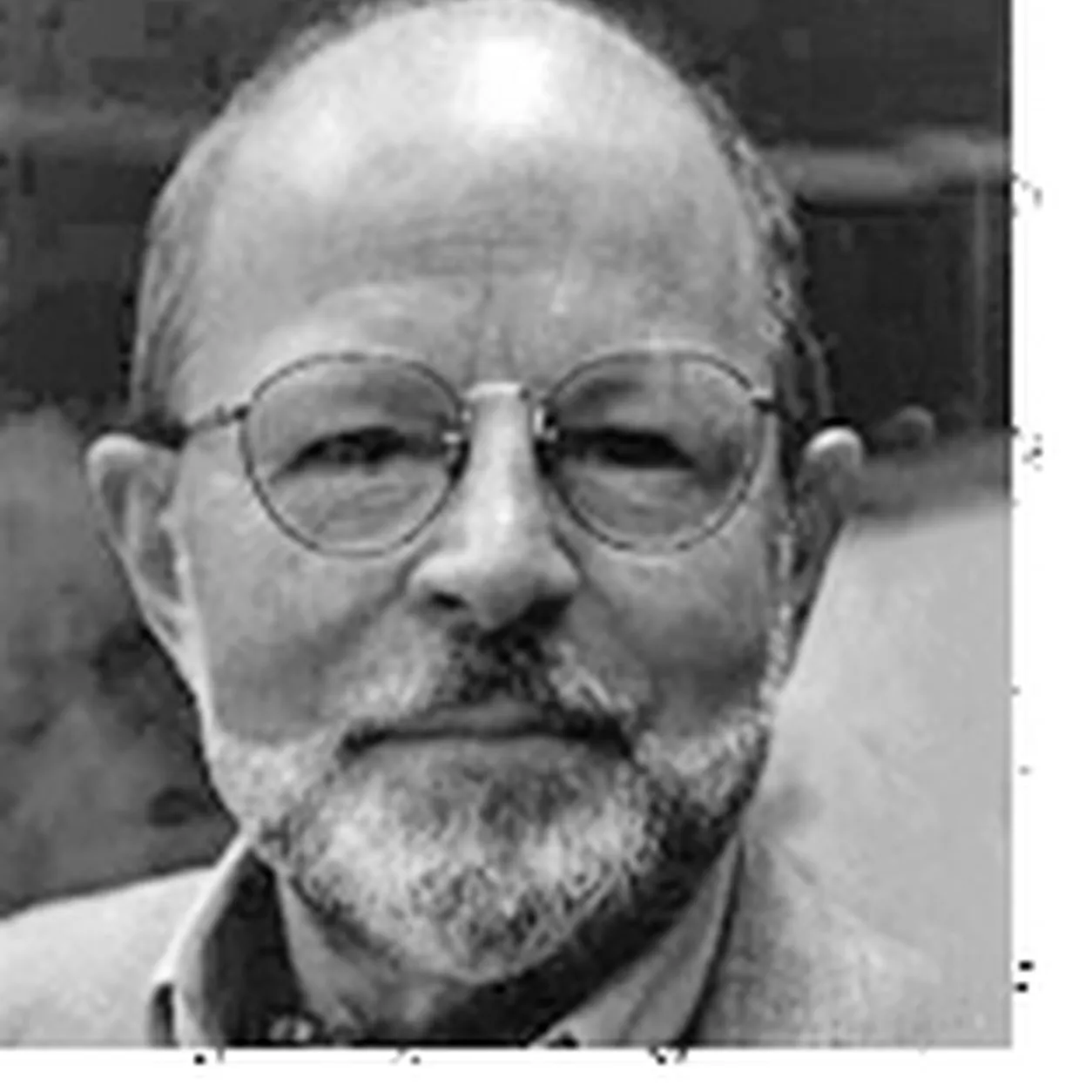
Gerald J. S. Wilde appears on this site as author of the 1998 Injury Prevention overview of risk homeostasis theory.
Who they are
The work of Gerald J. S. Wilde reaches this site through the paper listed below. On this site the name is tied to Risk Homeostasis Theory, Risk Compensation.
Key papers
Wilde, G. J. S. (1998). Risk homeostasis theory: an overview. Injury Prevention, 4(2), 89-91. What it reports: Overview of risk homeostasis theory. Two strategies, reducing harm from risky behaviour (seat belts, airbags, crashworthy vehicles, forgiving roadside design) and making risky behaviour costlier (speed bumps, narrow passages, fines), are argued unlikely to lower injury rates because people adjust behaviour to changed conditions; health gains depend on how much risk people are willing to accept; accident rates can be expressed per distance, per exposure hour or per head of population.
Key ideas
Risk Homeostasis Theory: The claim that people hold a target level of risk and adjust their behaviour to keep near it.
Risk Compensation: The idea that people take more risks when a safety measure makes them feel safer.
Sources
- Wilde, G. J. S. (1998). Risk homeostasis theory: an overview. Injury Prevention, 4(2), 89-91.
Studies on this site by Wilde
- Risk homeostasis theory: an overview
Wilde (1998)
Articles that cite Gerald J. S. Wilde
- Do Safety Features Make Us Take More Risks?
What taxis, a laboratory helmet and a review of cycling studies say about whether people spend safety as extra risk.
Concepts on this site
- Risk Compensation
The idea that people take more risks when a safety measure makes them feel safer.
- Risk Homeostasis Theory
The claim that people hold a target level of risk and adjust their behaviour to keep near it.