Jan Philipp Röer
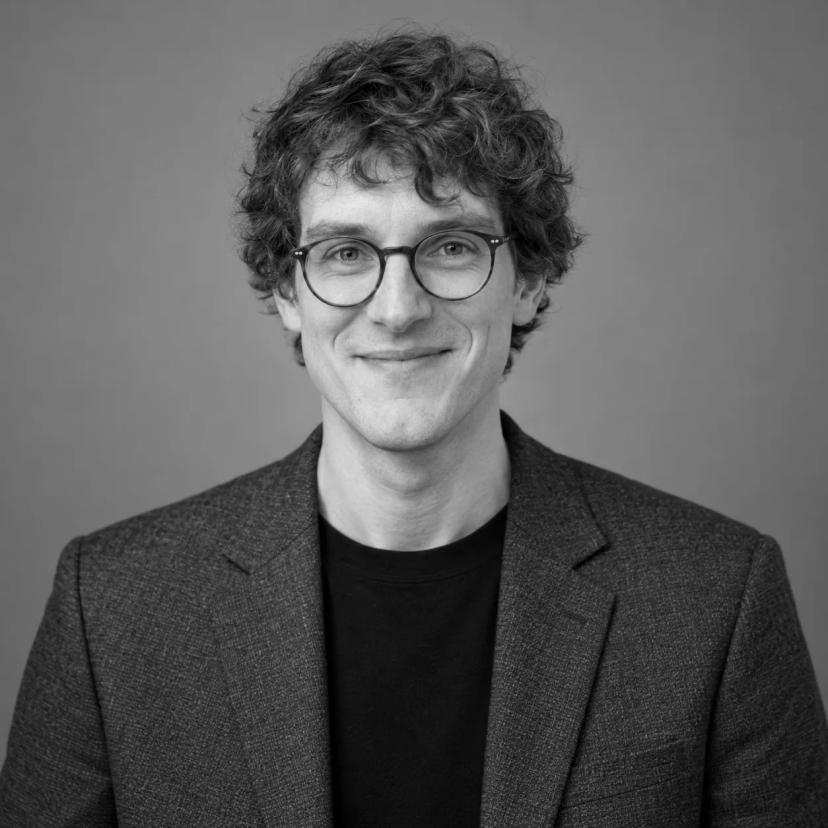
Experimental psychologist and first author of the 2021 preregistered replication of the own-name finding, in which 29 per cent of listeners noticed their name and unexpected words did not capture attention.
Who they are
Jan Philipp Röer is Professor of Experimental Psychology at Witten/Herdecke University. He studied psychology at the University of Düsseldorf and the University of Reading, took his doctorate at Düsseldorf in 2011 and habilitated there in 2018 with work on the processing of irrelevant auditory information in memory. In July 2022 he was a visiting fellow at the Center for Advanced Studies of Ludwig-Maximilians-Universität München, in a research group on handling visual distraction.
His research interests are in the cognitive psychology of selective attention: when cognitive control can counter interference from distractors, and how the cognitive system learns regularities in distractor material and responds when they are violated.
Key papers
Röer, J. P., & Cowan, N. (2021). A preregistered replication and extension of the cocktail party phenomenon: one's name captures attention, unexpected words do not. Journal of Experimental Psychology: Learning, Memory, and Cognition, 47(2), 234-242. doi:10.1037/xlm0000874.
Key ideas
The 2021 paper repeated the classic test with preregistration, which fixes the method and analysis before the data are collected. According to its abstract, 29 per cent of participants noticed their own name, there were more shadowing errors around the name, low-span participants were more likely to notice it, and unexpected words were rarely detected. The last result separates the own-name effect from a general capture of attention by surprising words.
See The Cocktail Party Effect and Selective Attention.
Sources
- Röer and Cowan (2021), abstract read 12 October 2026.
- Biographical details are from the Center for Advanced Studies profile at Ludwig-Maximilians-Universität München.
Studies on this site by Röer
- A preregistered replication and extension of the cocktail party phenomenon: one’s name captures attention, unexpected words do not
Röer (2021) · Journal of Experimental Psychology: Learning, Memory, and Cognition
Articles that cite Jan Philipp Röer
- What is the cocktail party effect?
The phrase covers a 1953 problem about following one voice and a 1959 finding about hearing your own name. The studies behind each are not the same.
- Why You Hear Your Name in a Crowd
Your name breaks through a conversation you are ignoring for about a third of listeners in the laboratory. The people who notice are not simply the ones with the leakiest filter, and the group that…
Concepts on this site
- Implicit Egotism
Implicit egotism is the proposal that people gravitate, without knowing it, to things that resemble themselves, starting with the letters of their own name. The underlying name-letter effect holds…
- Name-Letter Effect
The name-letter effect is the preference people show for the letters in their own name, usually without knowing why. Jozef Nuttin described it in 1985, and it has since been found across languages…
- The Cocktail Party Effect
The cocktail party effect is the ability to follow one voice among many while still catching personally important sounds, such as your own name, from a conversation you were ignoring. Two findings…