Martin Rohrmeier
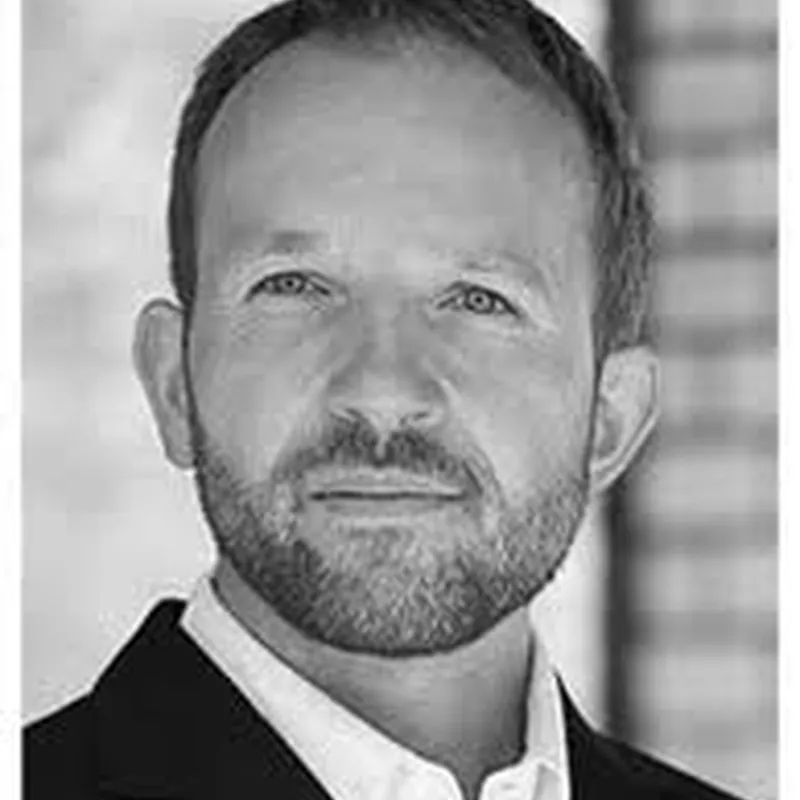
Martin Rohrmeier is a researcher in music cognition and the co-author of the 2015 fMRI study of reading a suspenseful literary text.
Who they are
The work of Martin Rohrmeier reaches this site through the paper listed below. On this site the name is tied to Narrative Tension.
Key papers
Lehne, M., Engel, P., & Rohrmeier, M. (2015). Reading a suspenseful literary text activates brain areas related to social cognition and predictive inference. PLoS ONE, 10(5), e0124550. What it reports: Higher suspense ratings went with activity in the medial frontal cortex, bilateral frontal regions near the inferior frontal sulcus, lateral premotor cortex and posterior temporal and temporo-parietal areas. The authors link these regions to social cognition and predictive inference and conclude that suspense builds on expectation and prediction.
Key ideas
Narrative Tension: The state a story creates when the audience is anticipating what comes next, working out what has happened and feeling the emotion of the moment.
Sources
- Lehne, M., Engel, P., & Rohrmeier, M. (2015). Reading a suspenseful literary text activates brain areas related to social cognition and predictive inference. PLoS ONE, 10(5), e0124550.
Articles that cite Martin Rohrmeier
- Why a Cliffhanger Keeps Us Watching
A cliffhanger ends a story at its most unresolved point. Research on suspense and curiosity shows why viewers want the next instalment, and what the ending does not change.
Concepts on this site
- Narrative Tension
The state a story creates when the audience is anticipating what comes next, working out what has happened and feeling the emotion of the moment.