Robert Strotz
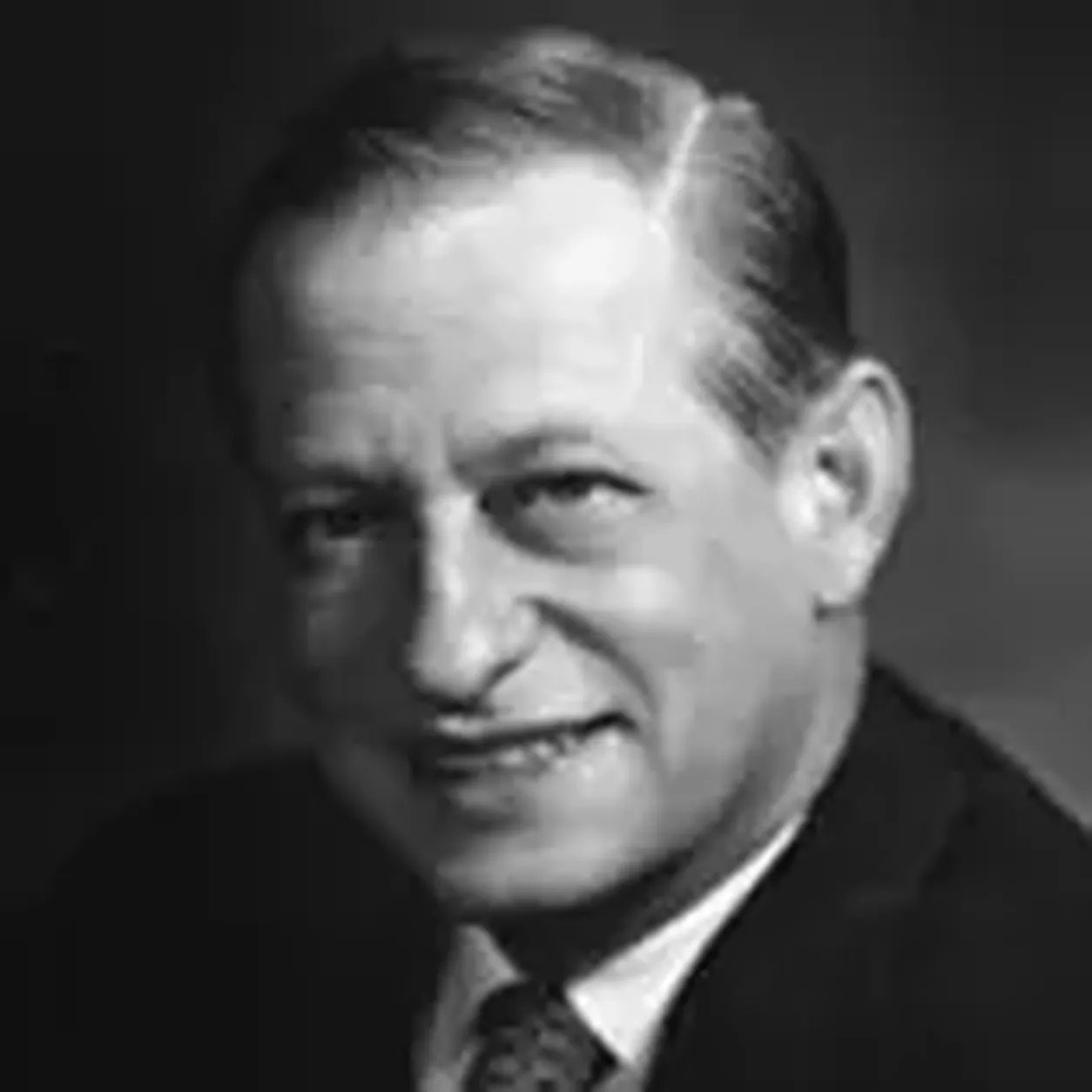
Robert Strotz was an American economist whose 1955 paper on myopia and inconsistency in dynamic utility maximisation is the earliest formal treatment of precommitment that this site has confirmed. He spent his career at Northwestern University, first as an economist and later as its president. This page records only what has been checked against a source, and it is short for that reason.
Who they are
Robert Henry Strotz was born on 26 September 1922 in Aurora, Illinois, and died on 9 November 1994 in Deerfield, Illinois. He took his BA in economics at the University of Chicago in 1942 and his PhD there in 1951. He joined Northwestern's economics department as an instructor in 1947 and was a professor by 1958, specialising in economic theory and econometrics. Before that he spent two years at Duke University and three years in army intelligence in the Second World War, including work in Berlin as an economist-statistician estimating food imports for the German population. After the war he studied at econometric research centres in the Netherlands, England and Sweden on a Rockefeller Foundation grant.
He then moved into university leadership: dean of Northwestern's College of Arts and Sciences from 1966 to 1970, the university's thirteenth president from 1970 to 1984, and chancellor until 1990. Northwestern's own biographical page also records that he edited Econometrica and chaired the board of the Federal Reserve Bank of Chicago. It lists him as editor of Contributions to Economic Analysis, associate editor of the International Economic Review and special editor of the International Encyclopedia of the Social Sciences. It credits his presidency with new buildings, among them Leverone Hall, the Allen Center and Pick-Staiger concert hall, a doubling of the endowment's value and a rise in minority enrolment from 12 to 20 per cent. The same page records that he sat on the board of the National Merit Scholarship fund and was a director of six publicly traded companies. That page does not mention the 1955 paper, so the link between the man and the paper rests on the paper's own authorship record.
Key papers
Strotz, R. H. (1955). Myopia and inconsistency in dynamic utility maximization. Review of Economic Studies, 23(3), 165-180. doi:10.2307/2295722.
The paper asks what a person should do when the self that makes a plan and the self that later carries it out want different things. It is cited as the earliest formal treatment of precommitment confirmed against the Crossref record. The wider attribution of the term itself is sometimes given to Thomas Schelling's later writing on self-command, which this site has not confirmed.
Key ideas
The idea the paper is used for here is that a planner whose preferences shift over time faces a choice between two strategies: plan around what the later self will do, or bind the later self in advance. The second is precommitment, and the stock image of it is Ulysses having himself tied to the mast.
This site does not claim more than that. The field trials that now test commitment devices, such as the savings and smoking studies discussed in the article, came decades later and are the work of other authors.
Sources
- Strotz, R. H. (1955). Myopia and inconsistency in dynamic utility maximization. Review of Economic Studies, 23(3), 165-180. doi:10.2307/2295722.
- Northwestern University, Northwestern presidents: Robert Henry Strotz (biographical page, sites.northwestern.edu/northwesternpresidents/robert-strotz).
Studies on this site by Strotz
- Myopia and inconsistency in dynamic utility maximization
Strotz (1955) · Review of Economic Studies
Articles that cite Robert Strotz
- Does Precommitment Really Work
A popular self-help book backs precommitment with a smoking trial and a figure of 52 per cent. The paper, and two field experiments beside it, show that the device works for the people who take it…
Concepts on this site
- Precommitment
Precommitment is arranging conditions in advance, while clear-headed, so that the decision never has to be made under pressure. Ulysses had himself lashed to the mast and his crew's ears filled with…
- Ulysses Pact
A Ulysses pact is a freely made decision designed to bind your future self. Ulysses had his crew plug their ears with beeswax and lash him to the mast, so he could hear the Sirens without being able…