Victor Turner
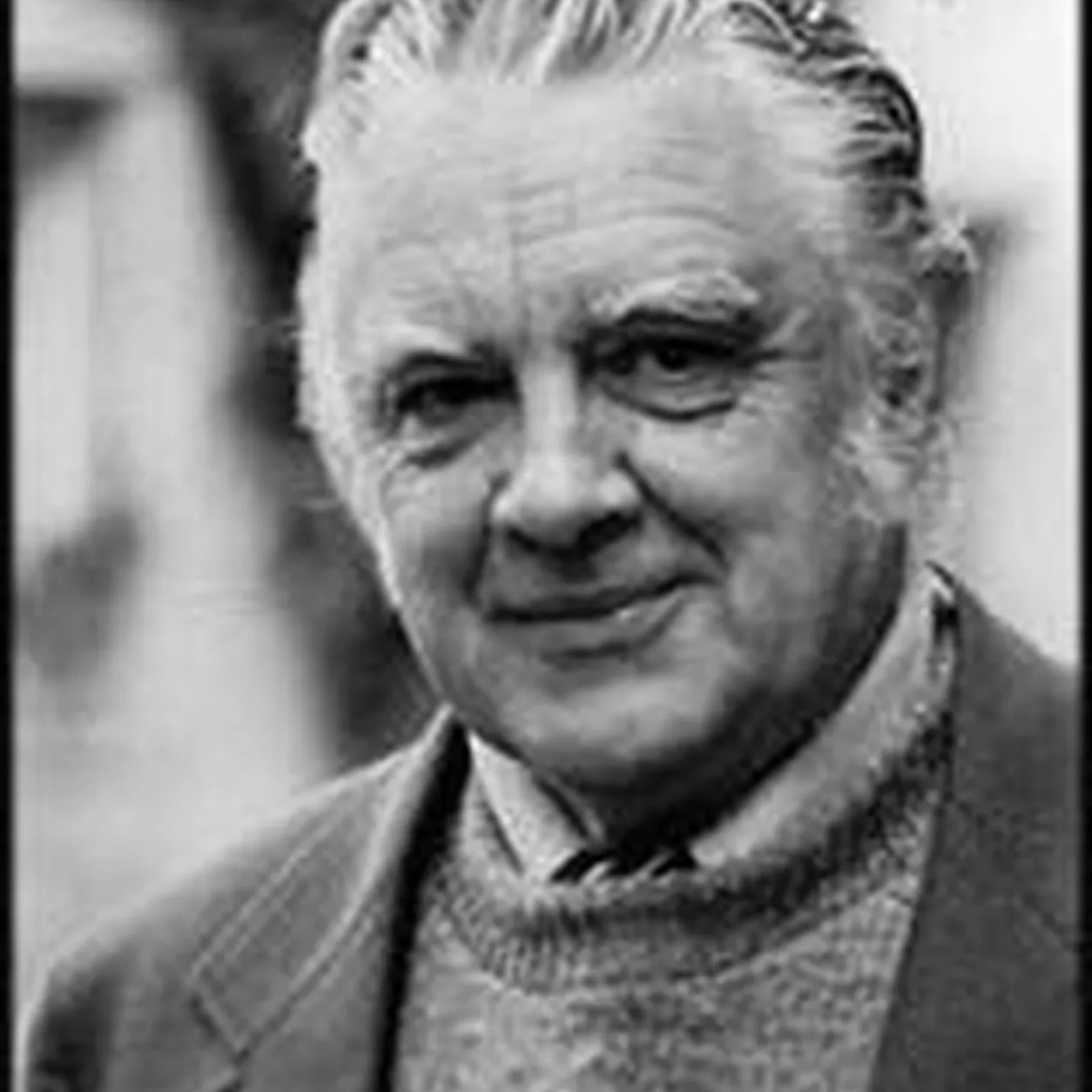
Victor Turner is the author of The Ritual Process: Structure and Anti-Structure (1969), based on his study of Ndembu rituals in Zambia. He extended Arnold van Gennep's liminal phase into a wider framework for social life and developed the idea of communitas.
Who they are
Turner is an anthropologist of ritual. Encyclopaedia Britannica records that from the 1960s into the early 1980s he led a challenge to the classic structural functionalist view of rites of passage, with a focus on what it calls anti-structure, and that he studied symbols in rites of passage and other rituals. He argued that symbols within social systems represent oppositions, tensions and cleavages that rites are designed to address.
Key papers
The Ritual Process: Structure and Anti-Structure (1969). The publisher's description presents the book as an examination of Ndembu rituals in Zambia that develops communitas and extends van Gennep's liminal phase into a broader framework. It also describes ritual as a place where social change can emerge and be absorbed into shared practice. The lectures were first published in 1969.
Key ideas
Two ideas carry his name in this publication. Liminality names the interval between statuses in a rite of passage. Communitas names a relation among participants that he places beyond ordinary social structure. Both are interpretive concepts from ethnography, and both are used here only as the background to the word liminal moment.
Sources
- Turner, V. (1969). The Ritual Process: Structure and Anti-Structure.
- Encyclopaedia Britannica, entry on Victor Turner.
Articles that cite Victor Turner
- What is a liminal moment?
The word comes from the study of ceremonies and now describes the gaps in a working day. The evidence sits with the older meaning: what happens to habits, and to choices, in the interval between two…
Concepts on this site
- Communitas
Communitas is Victor Turner's term for a relation among participants that he describes as lying beyond ordinary social structure. He developed it in The Ritual Process, first published in 1969, and…
- Liminal Phase
The liminal phase is the middle phase of a rite of passage, after a person has left one status and before the next has been entered. Arnold van Gennep described the three-part sequence in 1909, and…
- Rites of Passage
Rites of passage are ceremonies that mark a person's move from one status to another within a society. Arnold van Gennep compared them in Les rites de passage in 1909 and found a recurring sequence…