James Gips
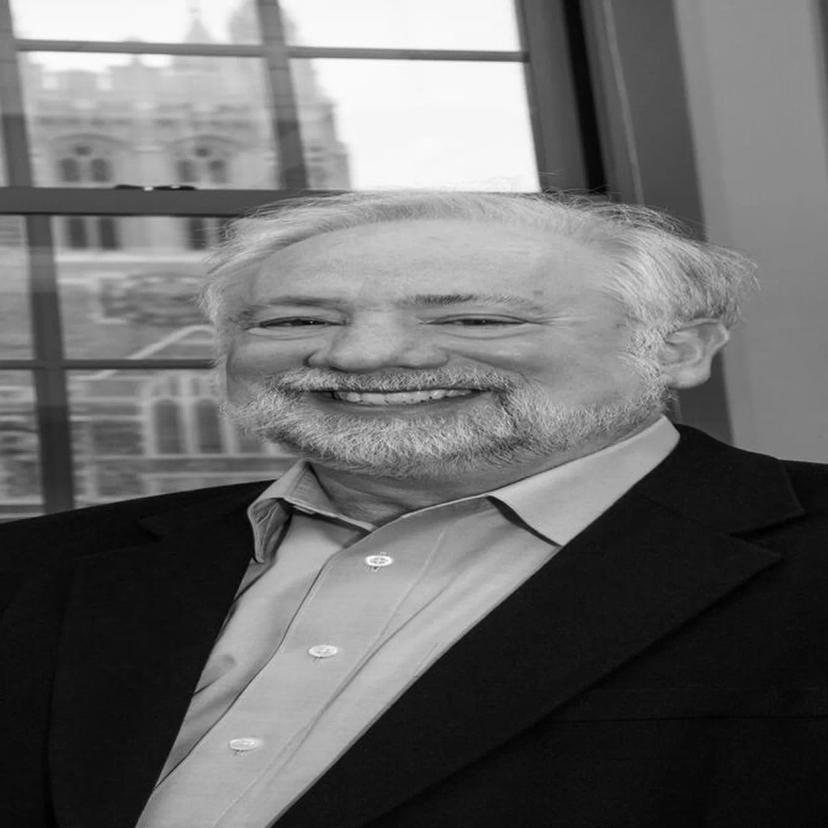
James Gips appears on this site as co-author of the 2014 Journal of Consumer Psychology paper on touch interfaces, psychological ownership and endowment.
Who they are
The work of James Gips reaches this site through the paper listed below. On this site the name is tied to Psychological Ownership, Endowment Effect.
Key papers
Brasel, S. A., & Gips, J. (2014). Tablets, touchscreens, and touchpads: How varying touch interfaces trigger psychological ownership and endowment. Journal of Consumer Psychology, 24(2), 226-233. What it reports: Two laboratory studies with a range of touch technologies: touchscreen interfaces can heighten perceived psychological ownership, which strengthens the endowment effect; touch interacts with product haptics and the interface through which an item is owned; effects stronger for high-haptic-importance products; tablets can lead to higher product valuations than traditional computers; the authors argue the interface deserves research attention alongside content.
Key ideas
Psychological Ownership: the feeling that something is yours, which appears to be what authorship rather than effort buys
Endowment Effect: People demand more to give up a thing than they would have paid to get it.
Sources
- Brasel, S. A., & Gips, J. (2014). Tablets, touchscreens, and touchpads: How varying touch interfaces trigger psychological ownership and endowment. Journal of Consumer Psychology, 24(2), 226-233.
Articles that cite James Gips
- Why Touching It Makes Us Want It
What experiments say about touch, confidence and ownership, and the kinds of product where feel adds little.
Concepts on this site
- Endowment Effect
The endowment effect is Richard Thaler's 1980 observation that people demand more to give up a thing than they would have paid to acquire it. Kahneman, Knetsch and Thaler demonstrated it with coffee…
- Psychological Ownership
The feeling that something is yours, held whether or not it legally is. It raises what you think the thing is worth. It was the obvious candidate for what self-made objects gain once effort looked…