James Shepperd
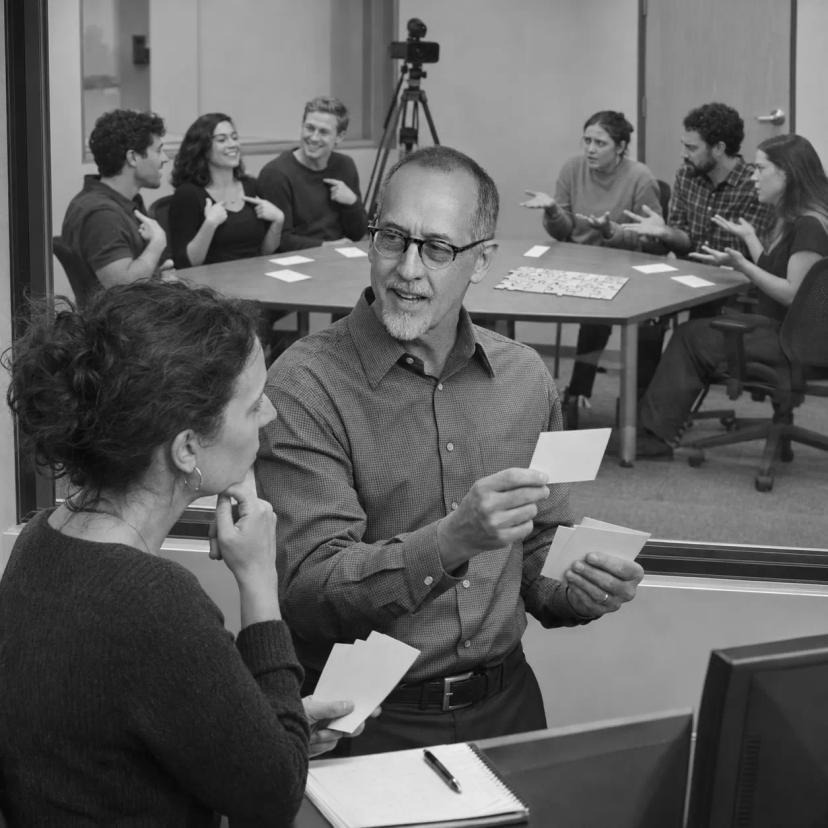
James Shepperd is first author, with Wendi Malone and Kate Sweeny, of the 2008 review Exploring causes of the self-serving bias.
Who they are
The three authors were at the University of Florida when the review appeared in Social and Personality Psychology Compass. This page rests on that review and does not cover his wider career.
Key papers
- 2008, with Wendi Malone and Kate Sweeny: Exploring causes of the self-serving bias. Social and Personality Psychology Compass, 2(2), 895-908.
Key ideas
The review sorts proposed causes of the self-serving bias into motivational ones, self-enhancement and self-presentation, and cognitive ones, among them expectations, self-schemas, actions, biased hypothesis testing and different standards of proof. It argues that motivation and cognition are not rival explanations but work together, and that the bias has several causes at once. It notes that claiming credit can win approval while a claim that is too large can seem boastful, so people often tone claims down in public, and it describes the group-serving bias.
Sources
- Shepperd, J., Malone, W., & Sweeny, K. (2008). 'Exploring causes of the self-serving bias.' Social and Personality Psychology Compass, 2(2), 895-908. doi:10.1111/j.1751-9004.2008.00078.x
Studies on this site by Shepperd
- Exploring causes of the self-serving bias
Shepperd (2008) · Social and Personality Psychology Compass
- Taking stock of unrealistic optimism
Shepperd (2013) · Perspectives on Psychological Science
Articles that cite James Shepperd
- What is the self-serving bias?
The self-serving bias is the tendency to credit ourselves for good outcomes and look elsewhere for bad ones. The research agrees that it is common and disagrees on why, and shared work shows it most…
Concepts on this site
- Group-Serving Bias
The group-serving bias is the pattern in which members of a group credit the group for its successes and attribute its failures to outside factors. It is the group-level counterpart of the…
- Self-Serving Bias
The self-serving bias is the tendency to explain one's own good outcomes by stable, broad, personal causes and bad outcomes by temporary, narrow or external ones. The research agrees that the…