Samuel M. McClure
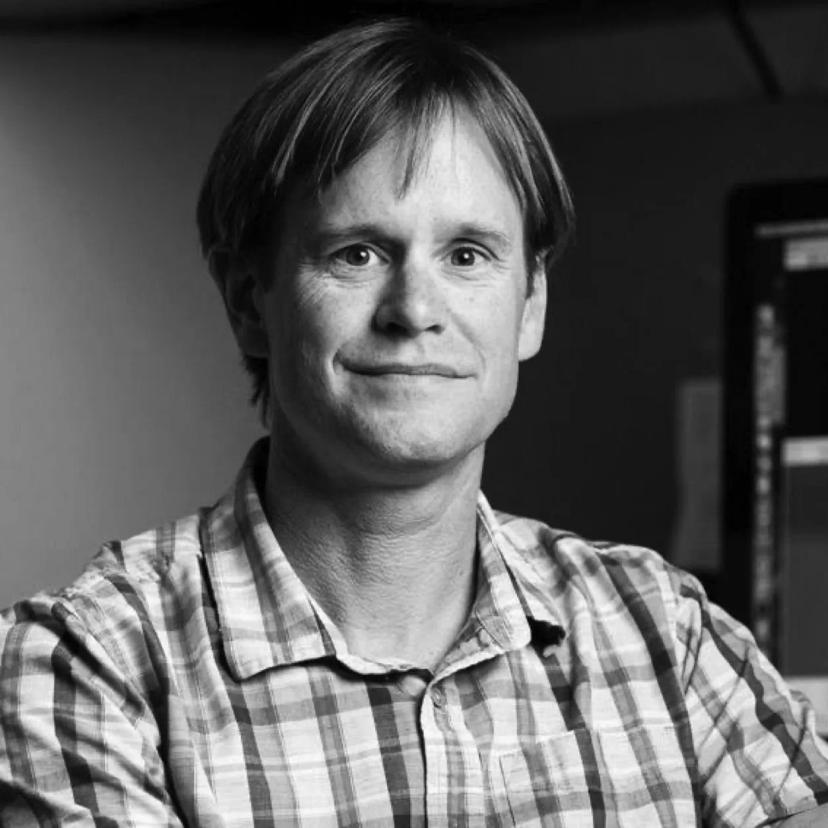
Samuel M. McClure is a neuroscientist and the first author of the 2004 Science study of separate neural systems valuing immediate and delayed monetary rewards.
Who they are
McClure reaches this site through one paper, written with David Laibson, George Loewenstein and Jonathan D. Cohen. It is cited in the article on why saving feels like losing as evidence on how the brain weighs rewards available now against rewards later. No further biography is given here.
Key papers
- McClure, S. M., Laibson, D. I., Loewenstein, G., & Cohen, J. D. (2004). Separate neural systems value immediate and delayed monetary rewards. Science, 306(5695), 503-507.
Key ideas
Participants chose between monetary rewards that differed in delay while being scanned with fMRI. Limbic and paralimbic regions linked to the midbrain dopamine system were preferentially engaged by choices that involved immediately available rewards. Lateral prefrontal and posterior parietal cortex were engaged by all intertemporal choices. The relative activity of the two systems tracked what people chose, with greater fronto-parietal activity when the later, larger option was picked.
The article uses the result to illustrate Present Bias: in the scanner, options available now most engaged the reward regions, while choosing the later amount went with more fronto-parietal activity. The study did not test saving directly, and applying it to saving is the article's own step.
Sources
- McClure, S. M., Laibson, D. I., Loewenstein, G., & Cohen, J. D. (2004). Separate neural systems value immediate and delayed monetary rewards. Science, 306(5695), 503-507. doi:10.1126/science.1100907 https://doi.org/10.1126/science.1100907
Studies on this site by Mcclure
- Separate neural systems value immediate and delayed monetary rewards
McClure (2004) · Science
Articles that cite Samuel M. McClure
- Why Saving Feels Like Losing
Money moved into savings is handed to a person who is not yet here. Present bias discounts the gift, and the research on the future self explains why the recipient can feel like a stranger.
Concepts on this site
- Present Bias
Present bias is a preference that overweights the present against the future. It is the starting point of Ted O'Donoghue and Matthew Rabin's 1999 model of doing an activity now or later, published…