Ted O'Donoghue
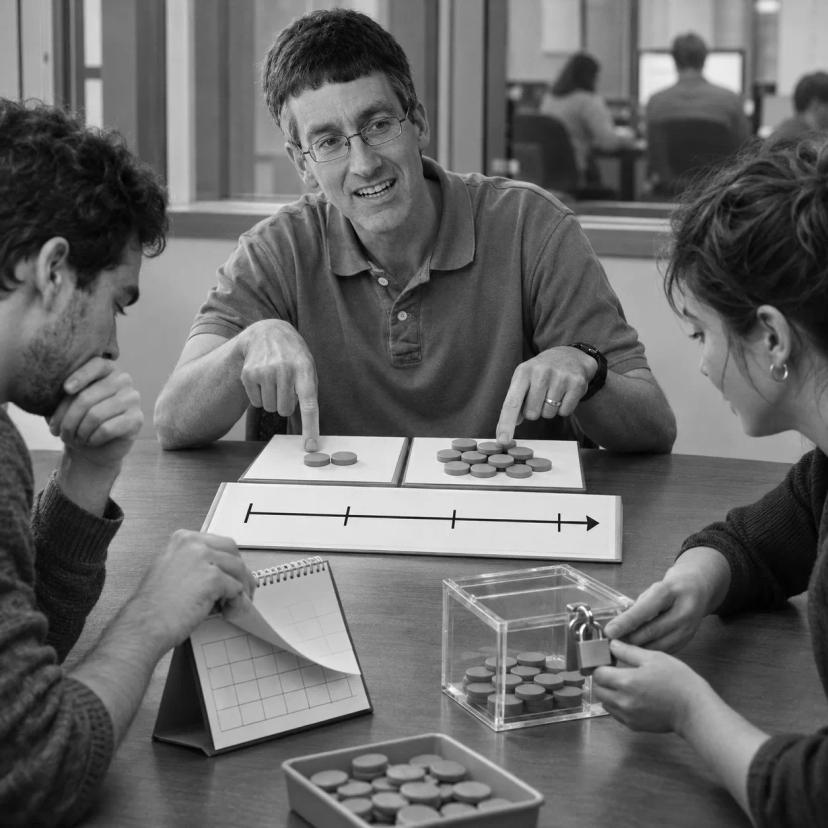
Ted O'Donoghue is the first author, with Matthew Rabin, of the 1999 paper Doing it now or later, published in the American Economic Review.
Who they are
Ted O'Donoghue appears in this site's sources as the first author of a paper that models self-control problems as preferences that overweight the present. This page records what that paper reports and does not attribute to him an affiliation or other work.
Key papers
The paper was published in 1999 in the American Economic Review, volume 89, issue 1. It studies a person who has to complete a single activity, and its analysis turns on whether the activity's immediate effects are costs or rewards and on whether the person is naive or sophisticated about their own future self-control problems.
Key ideas
For a naive person, the model predicts delay of an activity with immediate costs and completion that comes too early for an activity with immediate rewards. Sophistication reduces the delay but makes the early completion of rewarding activities worse. A small present bias can seriously reduce a person's welfare in only two cases: for a naive person when costs are immediate, and for a sophisticated person when rewards are immediate.
Sources
- O'Donoghue, T., & Rabin, M. (1999), Doing it now or later, American Economic Review, 89(1), 103-124. https://doi.org/10.1257/aer.89.1.103
Studies on this site by O'donoghue
- Doing it now or later
O'Donoghue (1999) · American Economic Review
Articles that cite Ted O'Donoghue
- What is hyperbolic discounting?
Why a reward pulls harder as it comes within reach, what experiments found, and why binding the future self works.
- Why We Tip
What a pooled analysis of thirteen studies, a norm-based model and thirteen million taxi rides say about the habit of leaving a tip.
- Why do we procrastinate?
The usual answer says people put off what they dislike. The research adds a second answer, about when costs and rewards arrive, and it covers pleasant plans as well as chores.
Concepts on this site
- Present Bias
Present bias is a preference that overweights the present against the future. It is the starting point of Ted O'Donoghue and Matthew Rabin's 1999 model of doing an activity now or later, published…