Ray Oldenburg
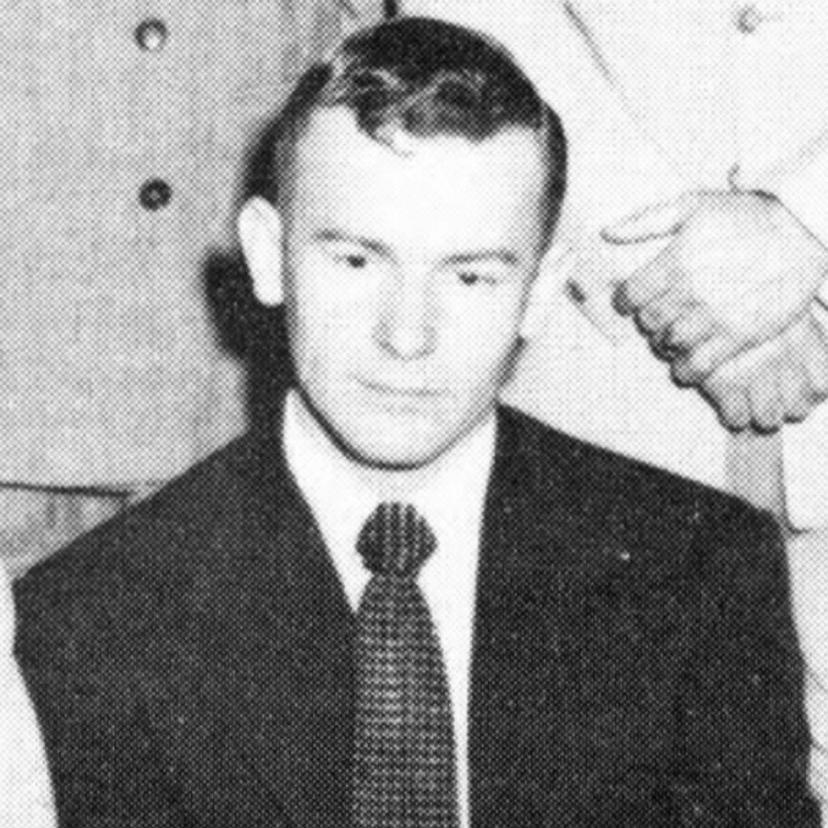
Ray Oldenburg is an American sociologist who proposed the idea of third places in The Great Good Place (1989). On this site he appears through Mehta and Bosson, who built their 2010 study on his idea.
Who they are
The vault note describes him as an urban sociologist and as the originator of the term third place: the social anchor that is neither home, the first place, nor work, the second. He is not an author of the street studies cited in the article.
Key papers
- Oldenburg, R. (1989). The Great Good Place.
Key ideas
A third place is an informal setting outside home and work where people meet friends, neighbours and strangers. Mehta and Bosson used the idea to ask which design features of businesses on Main Streets support sociability, and found seating and shelter to be the most important. The article uses the idea to link lingering on a street to the businesses that give people a reason to stay and come back.
Sources
- Oldenburg, R. (1989). The Great Good Place.
- Mehta, V., & Bosson, J. K. (2010). Third places and the social life of streets. Environment and Behavior, 42(6), 779-805. https://doi.org/10.1177/0013916509344677
Articles that cite Ray Oldenburg
- Why Some Streets Make Us Slow Down
The pace of a street is set at eye level. Open, varied ground floors slow people down, and seats, shelter and familiar businesses give them a reason to stay.
Concepts on this site
- Belonging
Roy Baumeister and Mark Leary's 1995 argument that the need to form and maintain stable, positive interpersonal relationships is a fundamental human motivation, comparable to hunger or safety rather…
- Hospitality Psychology
Hospitality psychology is this publication's umbrella term for what makes a guest feel welcome, assembled from practitioner books rather than from a research literature. It has no founding study and…
- Social Isolation
A countable fact about a person's week: how much contact, how many roles, whether anybody would notice a change. Objective by construction, which is what separates it from loneliness.
- Third Places
Ray Oldenburg's term, from The Great Good Place (1989), for the social anchor that is neither home, the first place, nor work, the second. Cafés, pubs, barbershops, gyms, churches, community…
- Weak Ties
Weak ties are casual interactions with people you barely know: the barista, the security guard on the desk, the dog-walker you pass at the same hour. Two different claims travel under the name and…