Vikas Mehta
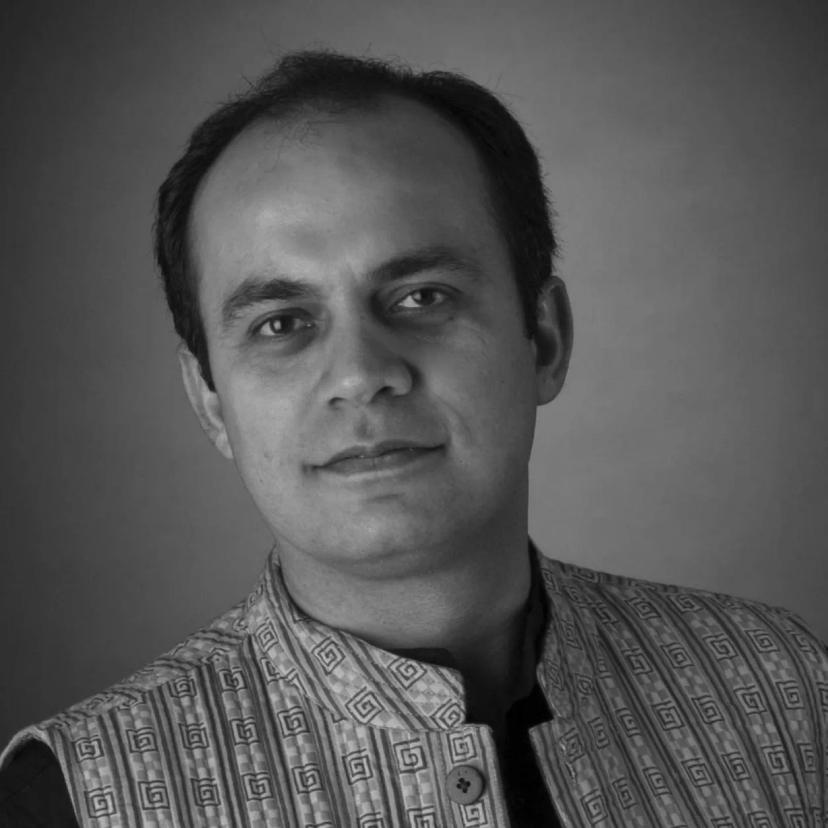
Vikas Mehta is an urban design researcher. On this site he appears as author of a 2007 study of lively streets and first author, with Jennifer Bosson, of a 2010 study of third places and the social life of streets.
Who they are
The vault note describes Mehta as an urban design researcher, and the article draws on two of his papers. This page adds no further biography.
Key papers
- Mehta, V. (2007). Lively streets: determining environmental characteristics to support social behavior. Journal of Planning Education and Research, 27(2), 165-187.
- Mehta, V., & Bosson, J. K. (2010). Third places and the social life of streets. Environment and Behavior, 42(6), 779-805.
Key ideas
The 2007 study observed three neighbourhood commercial streets and tested eleven land use and physical characteristics against stationary, lingering and social activities. People responded about equally to social, land use and physical aspects. Seating provided by businesses or public authorities, businesses serving as community places, personalised storefronts and wider sidewalks were most associated with stationary and social activity. The 2010 study, drawing on Ray Oldenburg's idea of third places, surveyed Main Streets in two Massachusetts cities and one town with visual surveys and interviews, and found third-place businesses to be distinctive, recognisable and open to the street.
Sources
- Mehta, V. (2007). Lively streets: Determining environmental characteristics to support social behavior. Journal of Planning Education and Research, 27(2), 165-187. https://doi.org/10.1177/0739456X07307947
- Mehta, V., & Bosson, J. K. (2010). Third places and the social life of streets. Environment and Behavior, 42(6), 779-805. https://doi.org/10.1177/0013916509344677
Articles that cite Vikas Mehta
- Why Some Streets Make Us Slow Down
The pace of a street is set at eye level. Open, varied ground floors slow people down, and seats, shelter and familiar businesses give them a reason to stay.
Concepts on this site
- Active Frontage
Active frontage is a ground floor with frequent doors, windows, displays and uses facing the pavement, as opposed to blank walls or long uniform fronts. In reported observations, people walked more…
- Third Places
Ray Oldenburg's term, from The Great Good Place (1989), for the social anchor that is neither home, the first place, nor work, the second. Cafés, pubs, barbershops, gyms, churches, community…