Angela Glover Blackwell
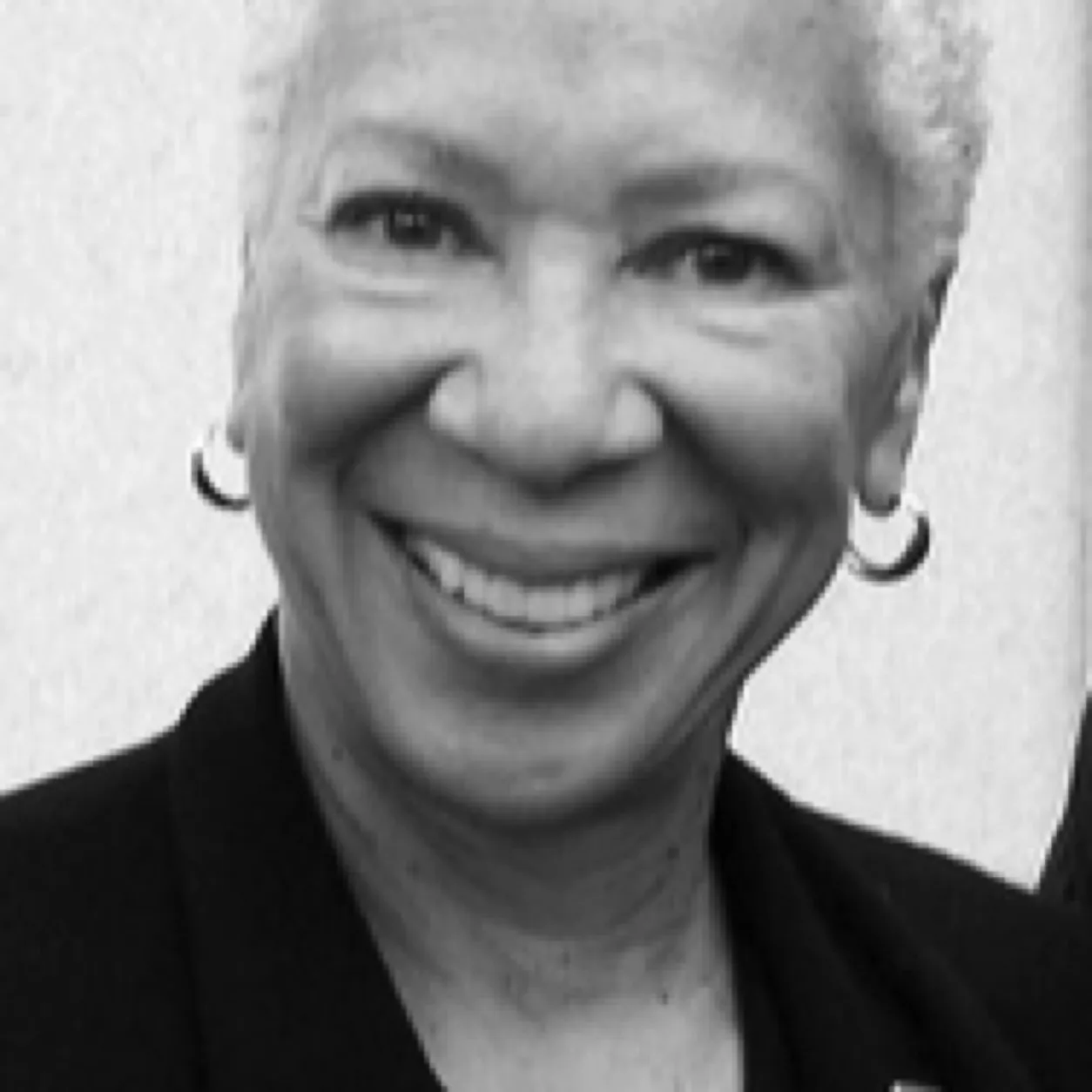
Angela Glover Blackwell is the author of the 2017 essay The Curb-Cut Effect in Stanford Social Innovation Review, which set out the idea that laws and programmes designed for one group often benefit many.
Who they are
Blackwell is cited on this site for one paper. The essay appeared in the Winter 2017 issue of Stanford Social Innovation Review.
Key papers
- Blackwell, A. G. (2017). The curb-cut effect. Stanford Social Innovation Review, 15(1), 28-33.
Key ideas
The essay sets out the curb-cut effect and recounts the history of the ramps: first appearing in 1945 in a Michigan city, with disabled activists pressing Berkeley into its first official curb cut at an intersection in 1972, and hundreds of thousands following nationally.
It lists those who use them, from parents with strollers to runners and skateboarders, and cites a 2007 newspaper report that at a mall nine in ten unencumbered pedestrians went out of their way to use a curb cut. Other policy examples in the essay are not used here.
Sources
- Blackwell, A. G. (2017). The curb-cut effect. Stanford Social Innovation Review, 15(1), 28-33. https://doi.org/10.48558/YVMS-CC96
Studies on this site by Blackwell
- The curb-cut effect
Blackwell (2017) · Stanford Social Innovation Review
Articles that cite Angela Glover Blackwell
- Designing for One Helps Everyone
A ramp cut into a kerb for wheelchair users became the route for pushchairs and suitcases too. The same spillover runs through captions, websites and classrooms, by three routes, and it thins out as…
Concepts on this site
- Curb-Cut Effect
The curb-cut effect is the spillover in which a change made to remove a barrier for one group ends up helping many others. It is named for the ramps cut into street kerbs for wheelchair users.
- Inclusive Design
Inclusive design starts from the people a product currently excludes and works with them, on the expectation that the result serves others too.
- Universal Design
Universal design means designing one product or space to work for as many people as possible without adaptation.